





We all love a life hack. A simple tweak that makes things work better. A shortcut that saves time, energy or effort. But when the word “hack” gets attached to your biology, it suddenly feels far more complicated.
Biohacking. You’ve probably heard the word everywhere lately. Podcasts. Wellness reels. That one friend who now owns a cold plunge. Celebrities are into it. Tech founders are into it. There are ice baths, red light beds, glucose monitors, supplements with names you can’t pronounce, and people measuring their sleep like it’s an Olympic sport.
And if you’re quietly wondering, “Yes, but what actually is biohacking?” please know you are not alone. As a naturopath, I know what biohacking means. But… I’ll be honest. Even I sometimes pause when a new wave of optimisation tools rolls through my feed and think, “This is all a lot!” The wellness world moves quickly, and at times, I think we can all feel slightly behind.
What is Biohacking?
At its core, biohacking simply means using science, data and lifestyle changes to improve how your body and brain function. It’s about understanding your biology and then making intentional adjustments to support it. In that sense, it isn’t new. Humans have always experimented with ways to feel better, think clearer and live longer. The language, measures and tools have just become more high-tech.
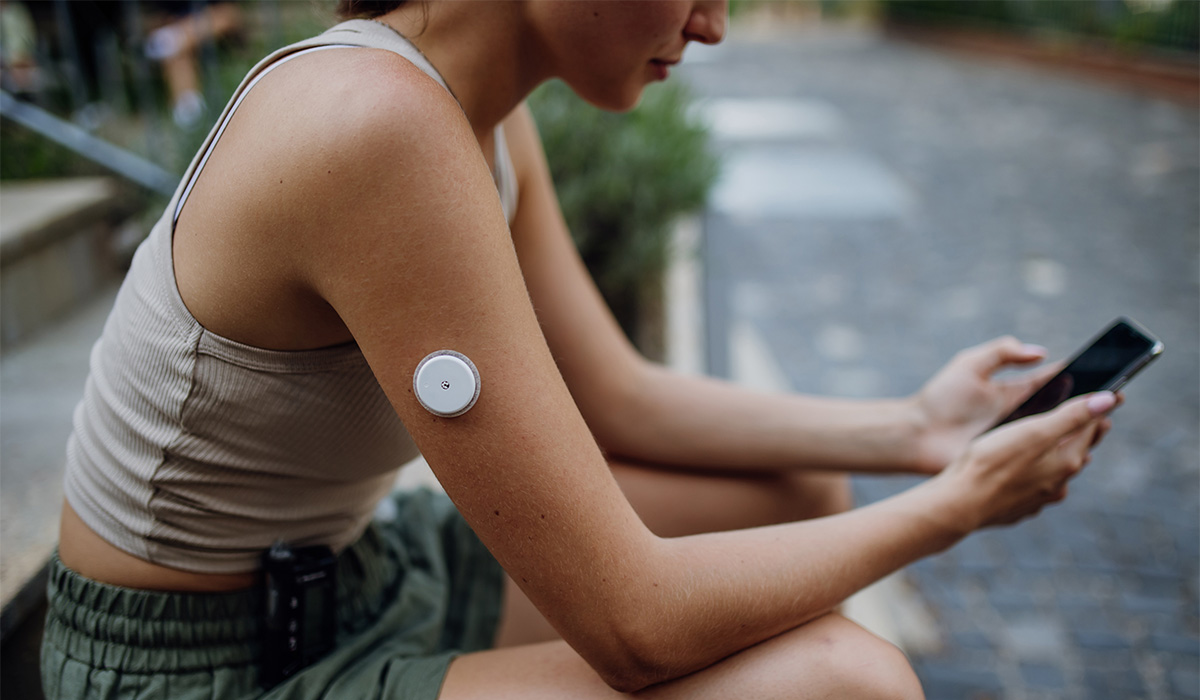
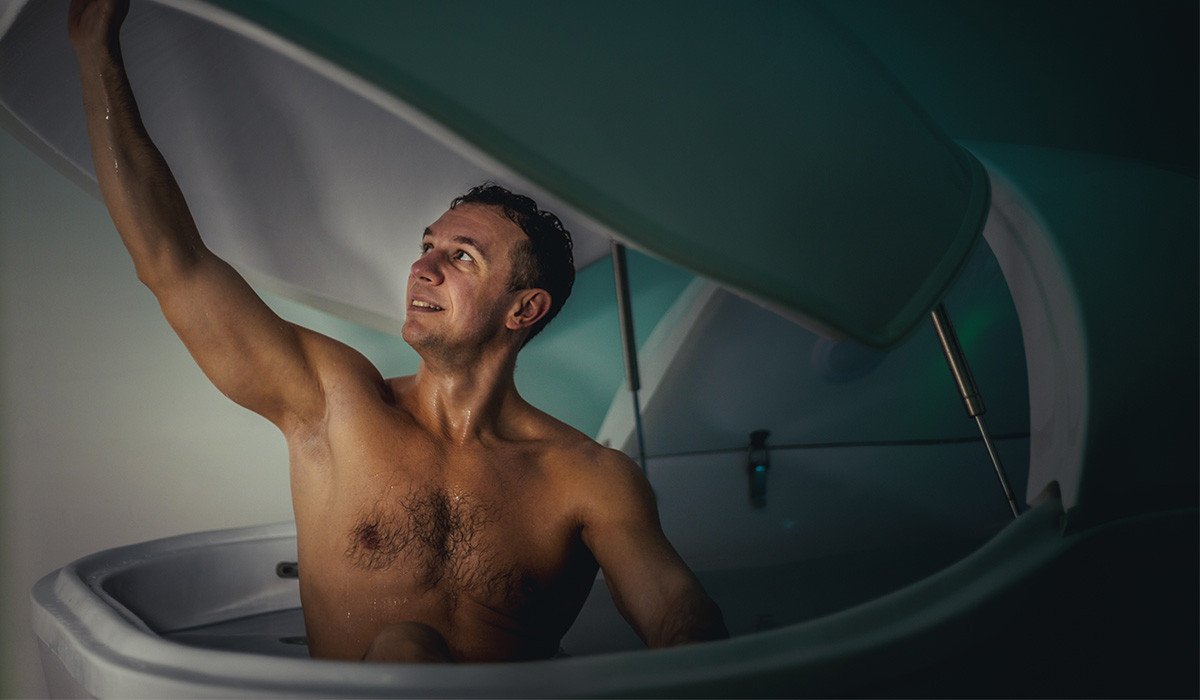
At the more advanced end of the spectrum, biohacking can look impressive. Daily ice baths. Hyperbaric oxygen chambers that increase the amount of oxygen your blood can carry. Continuous glucose monitors used to track blood sugar responses in real time. Genetic testing to fine tune supplement protocols. Nootropics, which are compounds designed to enhance cognitive function such as focus, memory and mental clarity, often layered together into personalised “stacks” based on testing and performance goals. It is fascinating, and the science is evolving. For many, these tools can be genuinely helpful. But they are not the only way to support your biology, and they are certainly not the starting point or access point for most of us.
Because when you strip away the gadgets, biohacking is simply about working with your body instead of against it. Strength training to preserve muscle mass as you age is biohacking. Getting morning sunlight into your eyes to regulate your circadian rhythm is biohacking. Prioritising protein at breakfast so you don’t crash mid-morning is biohacking. Choosing to go to bed earlier because your hormones, mood and metabolism depend on it is biohacking too.
Where biohacking becomes less helpful is when it turns into comparison or “copy-and-paste” health. Just because a celebrity is wearing a continuous glucose monitor does not automatically mean you need one. Just because a podcast host swears by a particular nootropic stack doesn’t mean it’s right for your nervous system. True biohacking is personalised.













Community