





Looking after your health doesn’t have to feel complicated. Sometimes, it’s simply about knowing which check-ups to prioritise and when. From breast and cervical screenings to heart, bone and skin health, this guide highlights the key health checks every woman should consider. Whether you’re in your 20s, raising a family, or navigating life after menopause, these regular health check-ins can help you stay informed, feel confident, and take charge of your wellbeing at every stage of life.
Most importantly, don’t underestimate the value of advocating for your own health. Being informed, doing your research, asking questions, and speaking up when something doesn’t feel right can make all the difference. And if you’re ever unsure, don’t be afraid to seek a second opinion. You know your body best, and being an active participant in your healthcare is one of the most powerful things you can do for your long-term wellbeing.
Regular Health Checklist for Women:
Ages 20–29
- Cervical Screening: One of the best ways to protect yourself against cervical cancer is to have regular HPV cervical screening tests. In New Zealand, the National Cervical Screening Programme offers HPV-based screening from age 25, including the option of self-testing. If no HPV is detected, screening is usually repeated every five years. Regular screening plays an important role in detecting changes early and reducing the risk of developing cervical cancer.
- Family history: now is a good time to find out about both sides of your family’s medical history as this can determine whether you may need more regular or earlier health screening for certain diseases and health conditions e.g having a family history of breast cancer or diabetes.
- Sexual Health: Regular STI checks are recommended if sexually active, especially with new or multiple partners.
- Mental Health: Discuss emotional wellbeing with your GP; support is available for anxiety, depression, and stress.
- Lifestyle: Establish healthy habits, like a balanced diet, regular exercise and limiting alcohol and smoking.
- Oral health check: Prevent problems in your mouth by keeping teeth and gums in good shape and recognising and responding to problems as soon as they happen. Visit your dentist and hygienist regularly for a dental check-up and clean can help you keep on top of your oral health. If you have any symptoms of gum or periodontal disease, visit your dentist in between regular check-up times and don’t ignore symptoms.
- Immunisations: If you were not immunised against HPV as a child, you can still receive a free course of HPV vaccine (three doses given over 6 months) before you turn 27. If travelling overseas consider vaccinations for yellow fever, rabies, cholera, hepatitis A and typhoid. For young people aged 13–25 entering their first year of close-living situations such as halls of residence may be eligible for funded meningococcal vaccination. Whooping, cough, flu and Covid-19 vaccinations are free during pregnancy.
Ages 30–39
- Cervical Screening: Continue HPV screening every 5 years unless otherwise advised.
- Fertility & Reproductive Health: Talk to your healthcare provider about fertility planning, contraception and menstrual health.
- Pregnancy health: It is never too early to start pregnancy care for you and your baby. You can find a Lead Maternity Carer (LMC) as soon as you confirm you are pregnant. Maternity care is publicly funded in New Zealand, but you can choose to pay privately for other services such as obstetrician care or a private sonographer.
- Breast Awareness: Get familiar with what is normal for your breasts and chest area. If you notice a new lump, skin changes, nipple changes, or anything unusual, see your GP promptly.
- Mental Health & Stress: Support is available for managing work-life balance, parenting stress and emotional wellbeing.
- Immunisations: Whooping cough, flu and Covid-19 vaccinations are free during pregnancy.
Ages 40–49
- Breast Screening: Breast cancer is the most common cancer affecting women in New Zealand. BreastScreen Aotearoa currently provides free mammograms every 2 years from 45–69 years, with a gradual extension to 74 years underway nationally. Discuss mammogram options with your healthcare provider, especially if you have a family history of breast cancer.
- Heart Health: While some risk factors for heart disease, such as age, ethnicity and family history, can’t be changed, there are many steps you can take to support your heart health. Regular exercise, a healthy diet, not smoking and managing stress can all help reduce your risk. Talk to your GP about cardiovascular risk assessments, particularly if you have risk factors such as high blood pressure, diabetes or a family history of heart disease.
- Eye Health: Eye health and vision can deteriorate as we age, women aged 40+ years should visit an optometrist every 2 years, particularly if you have a family history of glaucoma, diabetes or macular degeneration.
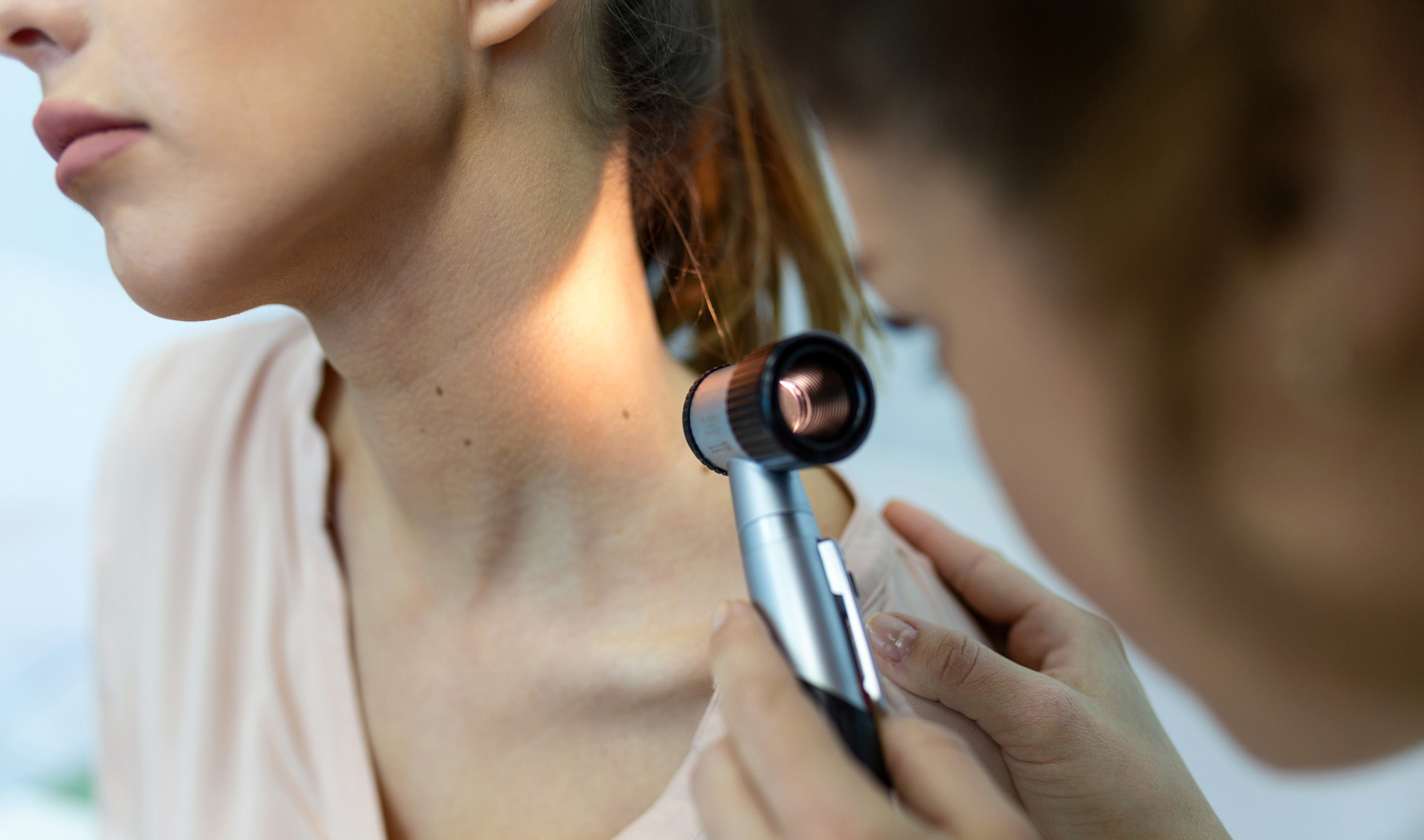
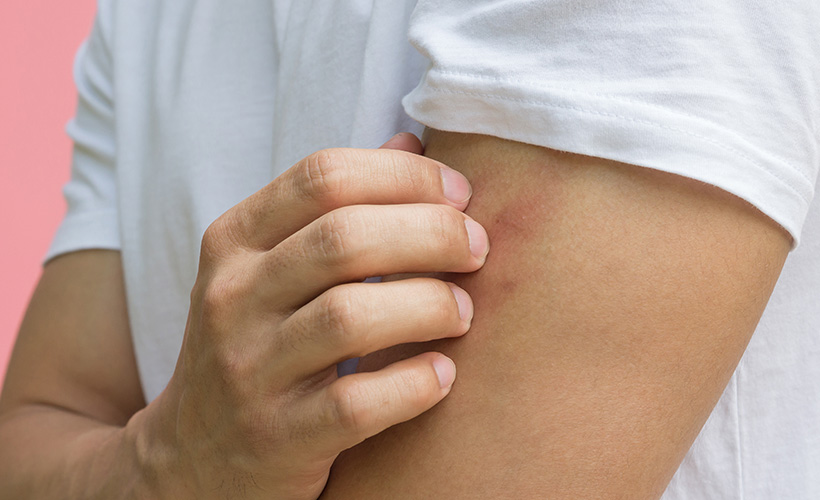
- Skin Checks: New Zealand has one of the highest rates of skin cancer in the world. Most skin cancers are preventable, the main cause of them being over-exposure to sunlight, especially sunburn. Regular self-checks and professional skin assessments if you have risk factors, a history of skin cancer, or concerning changes.
- Perimenopause Health: This is the decade where hormone fluctuations and the lead-up to menopause can start to have an impact on women’s mental, physical and emotional health. Sleep disturbances, mood, cognitive and metabolic changes can impact quality of life significantly during perimenopause. If menopausal symptoms are affecting your quality of life, talk to your GP about Menopausal Hormone Therapy (MHT) and other treatment options that may help manage symptoms and support long-term health.
- Immunisations: Get a free whooping cough booster (also protects against tetanus and diphtheria) at age 45.
Ages 50–64
- Breast Screening: Continue free BreastScreen Aotearoa mammograms every two years. Women aged 70+ may become eligible as the programme’s extension to age 74 continues to roll out.
- Menopause Health: The average age of menopause in New Zealand is 51 years. When women lose the protective effects of oestrogen the risk of heart disease, stroke, osteoporosis, urinary tract infections and auto-immune disorders increase. Speak to your GP about whether MHT could help with reducing menopausal symptoms as well as providing other health benefits.
- Bone Health: Osteoporosis is a condition where the honeycomb structure of bone becomes thin and brittle over time. If you are aged 50+ years or have reached menopause it is important to discuss your bone health with your doctor – if you have any risk factors you may need a bone density (DEXA) scan.
- Heart Health: Continue regular cardiovascular checks and manage cholesterol, blood pressure, and lifestyle factors.
- Diabetes screening: Regular diabetes screening may be offered as part of a cardiovascular risk assessment, particularly from age 55 or earlier if risk factors are present.
This is a blood test that looks at average blood glucose levels over the previous two to three months to determine diabetes risk. - Bowel Screening: The National Bowel Screening Programme now offers free screening every two years for eligible people aged 58–74.
Ages 65–70+
- Cervical Screening: Most women can stop routine cervical screening at age 70 if they have an adequate screening history, however some women may be advised to continue screening until age 74.
- Breast Screening: Continue participating in BreastScreen Aotearoa if eligible. Free screening is currently available to women aged 45–69, with a phased extension to age 74 underway.
- Bone Health: Ongoing monitoring for osteoporosis and fall prevention.
- Vision Health: Regular checks to maintain independence and quality of life.
- Hearing health: Regular hearing checks become more important as we age. A number of studies have found a link between hearing loss and cognitive decline, indicating that untreated hearing loss is a potential risk factor for dementia.1
- General Health: Review medications, mobility, and chronic condition management with your GP.
- Bowel Screening: National Bowel Screening is free until the age of 74.
- Immunisations: Annual flu vaccination from age 65. The shingles vaccine is funded during the year following your 65th birthday. Boostrix (tetanus, diphtheria and whooping cough) is funded at age 65.
Lifestyle Tips for All Ages
- Don’t smoke or vape: If you do, seek support to quit. It’s one of the most important things you can do for your long-term health.
- Be mindful of alcohol intake: Aim to keep within recommended guidelines.
- Nourish your body with a balanced diet: Rich in vegetables, fruit, whole grains, lean protein and healthy fats.
- Keep moving in ways you enjoy: Aim for at least 30 minutes of moderate activity most days, whether that’s walking, swimming, cycling or dancing. Strength training is equally important as we age. It helps maintain muscle mass, supports bone health, improves balance, boosts mental wellbeing, and reduces the risk of falls and chronic disease.
- Prioritise sleep and stress management: Good quality sleep and taking time to recharge are essential for both physical and mental health.
- Stay socially connected: Strong relationships with friends, whānau and your community can have a positive impact on your overall wellbeing and resilience.
- Relationship health: The quality of our relationships can have a significant impact on our physical, emotional and mental health. Take a moment to reflect on your closest relationships. Do you feel respected, supported and safe? Healthy relationships should contribute positively to your wellbeing, not diminish it. Experiencing abuse, whether physical, emotional, sexual, financial or controlling behaviour, can have serious and long-lasting effects on health. If you feel unsafe or concerned about a relationship, know that support is available. Reaching out early to a trusted healthcare professional, friend, family member or support service can make a meaningful difference. No one should have to navigate abuse alone.
Remember, these recommendations are a general guide. Your personal health needs may differ depending on your family history, ethnicity, lifestyle and existing medical conditions. Most importantly, be your own health advocate. Stay informed, ask questions, seek support when you need it, and don’t be afraid to get a second opinion. Regular check-ins with your GP or healthcare professional can help you make informed decisions and take charge of your health at every stage of life.








Community