






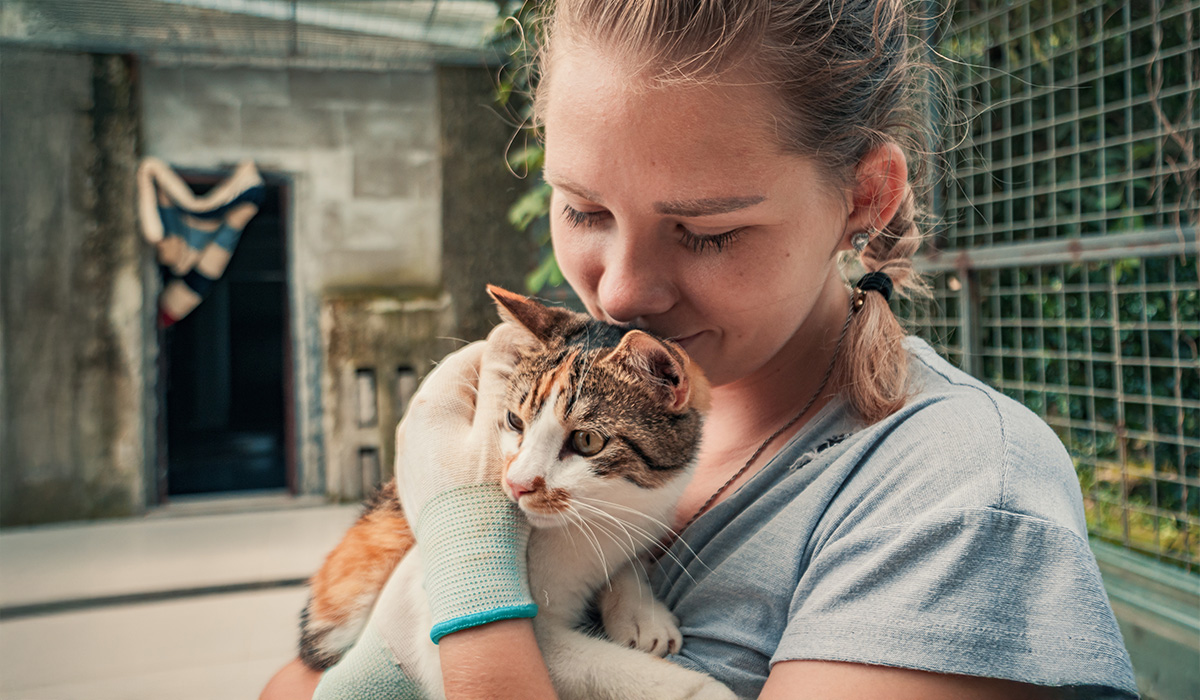

Bringing a rescue animal into your life can be one of the most meaningful decisions you’ll ever make. Whether you’re considering a dog, a cat, a small companion animal, or even a farm animal like a pig (yes, they sometimes need rehoming too!), the key to success is not just choosing with your heart — but also choosing with your lifestyle in mind.
Many behavioural and welfare issues arise not because animals are “difficult,” but because they’ve been placed in homes that aren’t the right fit. A high-energy dog with a sedentary owner, or a nervous cat in a chaotic household, are examples of good intentions leading to unhappy outcomes. Thoughtful matching from the beginning helps everyone thrive.
Here are some of the most important things to consider when choosing a rescue pet.
Start With Your Lifestyle (Not The Animal You Feel Sorry For)
It’s natural to feel drawn to the shy one in the corner or the animal with the saddest story. While compassion is important, successful long-term adoptions are built on compatibility, not just emotion.
Ask yourself:
- How active is my household?
- How much time do I realistically have each day?
- Am I home often or away for long hours?
- Do I have children, other pets, or frequent visitors?
- Do I prefer a calm companion or a more interactive one?
- Can I commit long term?
Your answers will help guide whether you’re better suited to a lively young dog, a calm adult cat, a bonded pair of kittens, a senior pet, or a smaller companion animal.
Many dogs can thrive in smaller homes if their exercise and enrichment needs are met — but some genuinely need space.
Some rescue cats are well suited to indoor-only homes and thrive with enrichment, climbing spaces, and human interaction. Others have lived as outdoor or semi-feral cats and may struggle if confined. Think about whether you can provide an enriched indoor environment, and whether your area is safe for outdoor access.














Community