A Dog’s Life – Understanding Your Pet’s Journey | Part 1

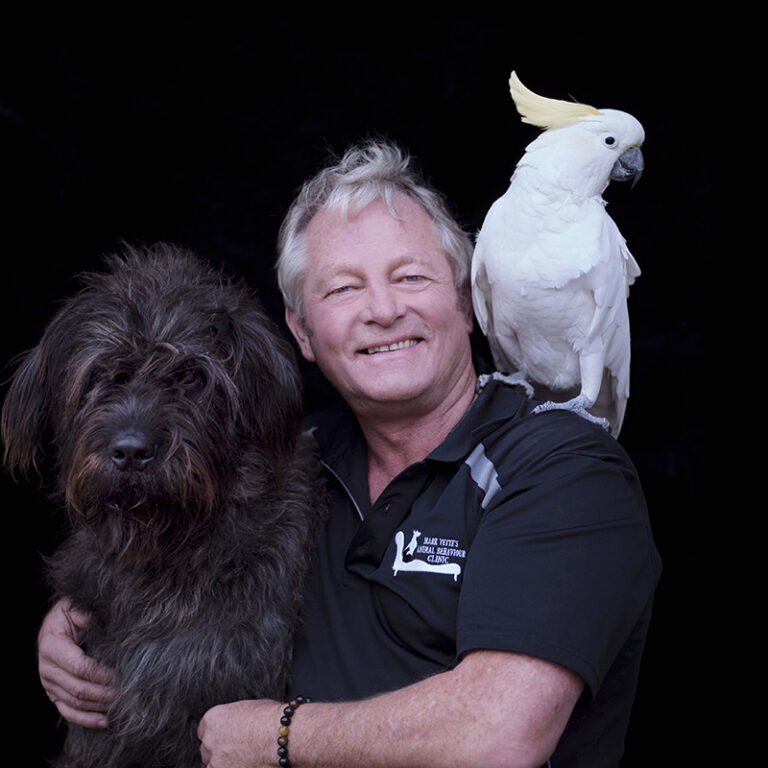
Mark Vette Animal Behaviourist, Zoologist and Trainer

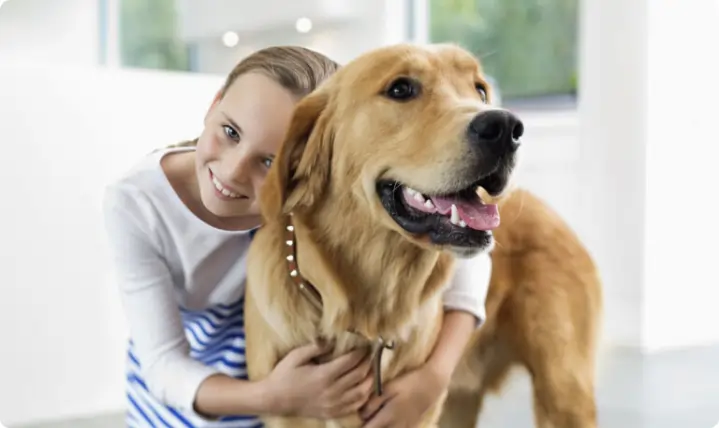
Our dogs are family, sharing our homes, our routines, and our hearts. But just like the human members of your household, dogs go through distinct life stages, each with its own emotional needs, physical demands, and behavioural quirks.

Understanding where your dog is in their journey — and what they need from you there — can make all the difference to their wellbeing and your bond.

Stage 1: The Neonatal and Transitional Period (0–3 weeks)

Human equivalent: newborn to 1 month

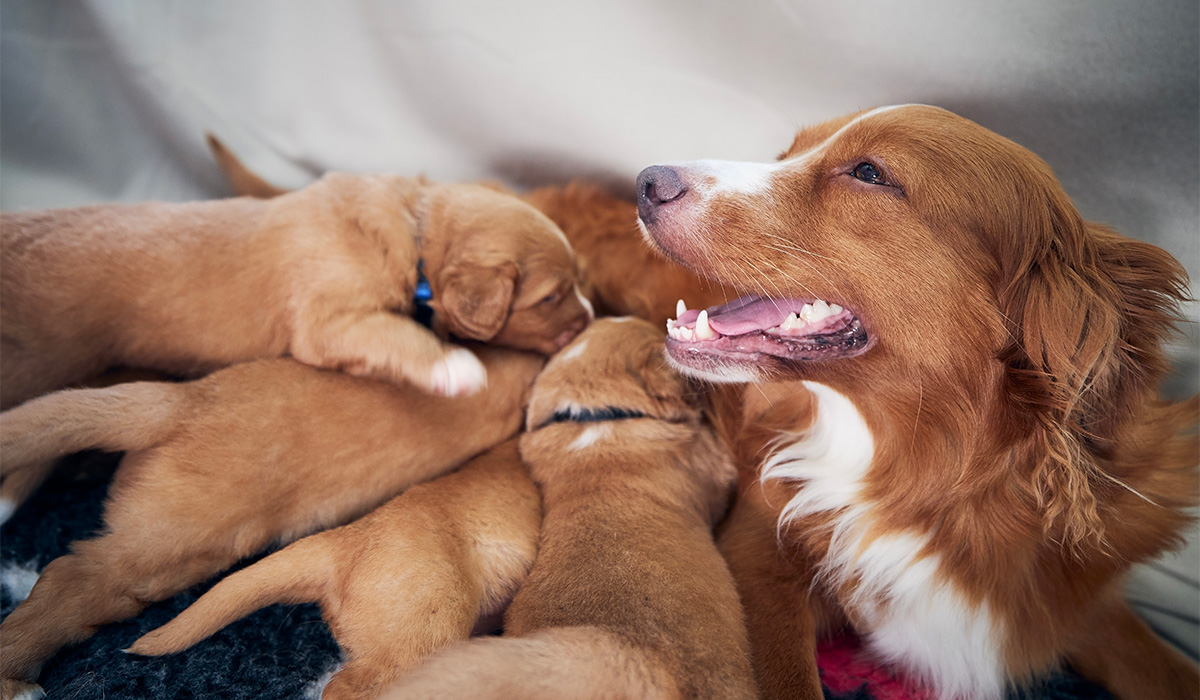
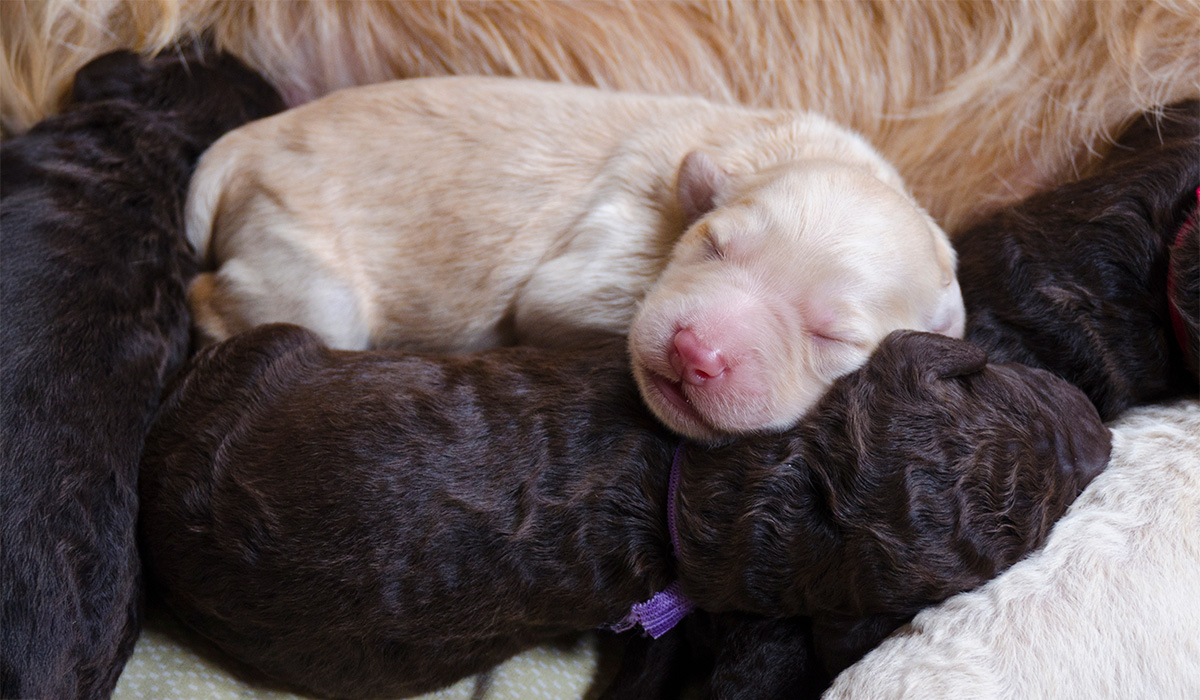
For the first three weeks of life, puppies are almost entirely helpless. Their eyes and ears are closed, they cannot regulate their own body temperature, and they depend completely on their mother for warmth, feeding, and stimulation. This is a period of rapid neurological development happening almost invisibly.

What your dog needs from you: If you’re caring for a litter, your primary role at this stage is to support the mother. Keep the whelping area warm, quiet, and clean. Handle the puppies briefly and gently from day three onwards — early human touch may reduce stress responses later in life — but let mum do the heavy lifting. Minimise visitors and disruptions.

Stage 2: The Socialisation Window (3–16 weeks)

Human equivalent: toddler, roughly 1–3 years

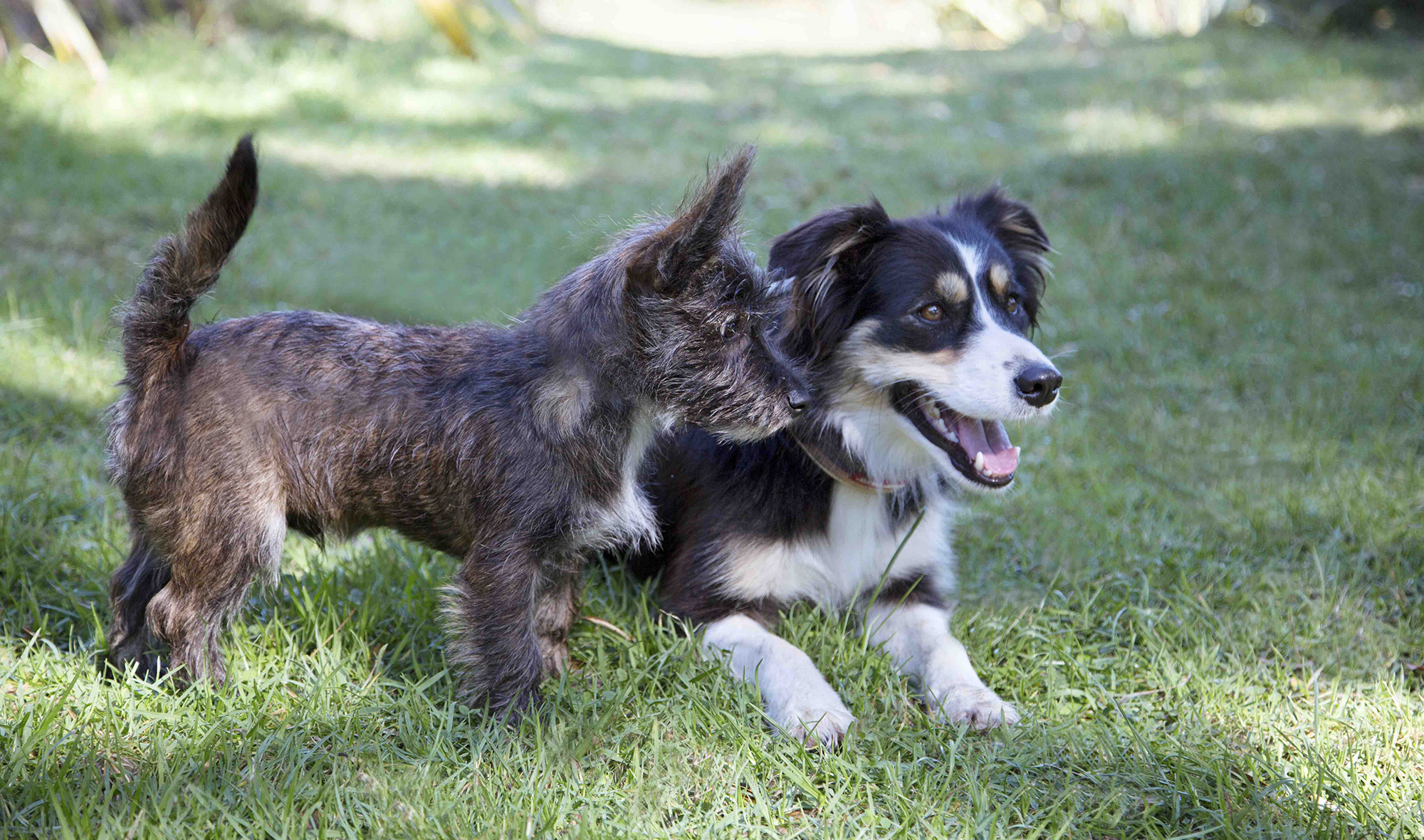
This is the most critical developmental period in a dog’s entire life. Between three and twelve weeks, the brain is primed to absorb experiences and form lasting associations. Positive exposure to people, sounds, environments, other animals, and everyday objects during this window shapes how a dog perceives the world for the rest of their life. A puppy that misses out on diverse, positive experiences here is far more likely to grow into an anxious, reactive, or fearful adult dog.

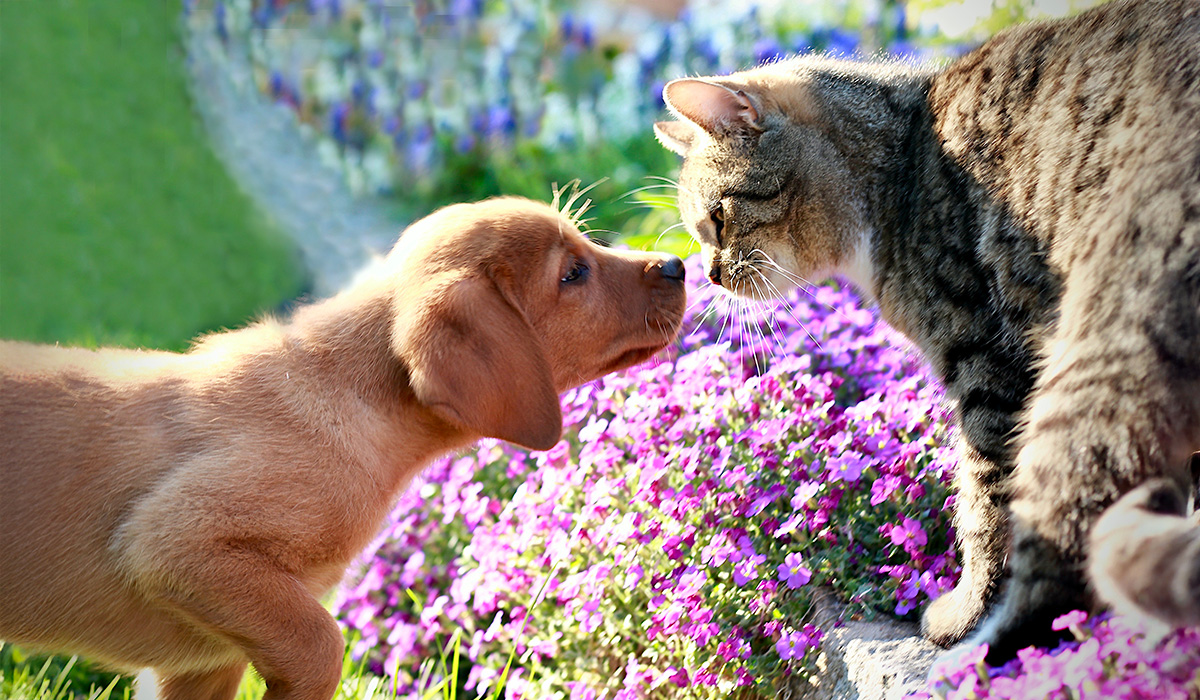
What your dog needs from you: Structured, positive socialisation — and plenty of it. Introduce your puppy to different types of people (children, men with beards, people wearing hats), dogs of different breed and age, other animals, household sounds, car travel, different floor surfaces, and gentle handling of ears, paws, and mouth. Keep every experience positive and never flood or overwhelm them. This is your most important investment as a new dog owner. Do not underestimate the opportunity you have in this time to shape your dog’s behaviour for life! Ideally use a marker (like a clicker) and food to reward successful interactions.

Stage 3: The Juvenile Period (4–6 months)

Human equivalent: young child, roughly 4–8 years

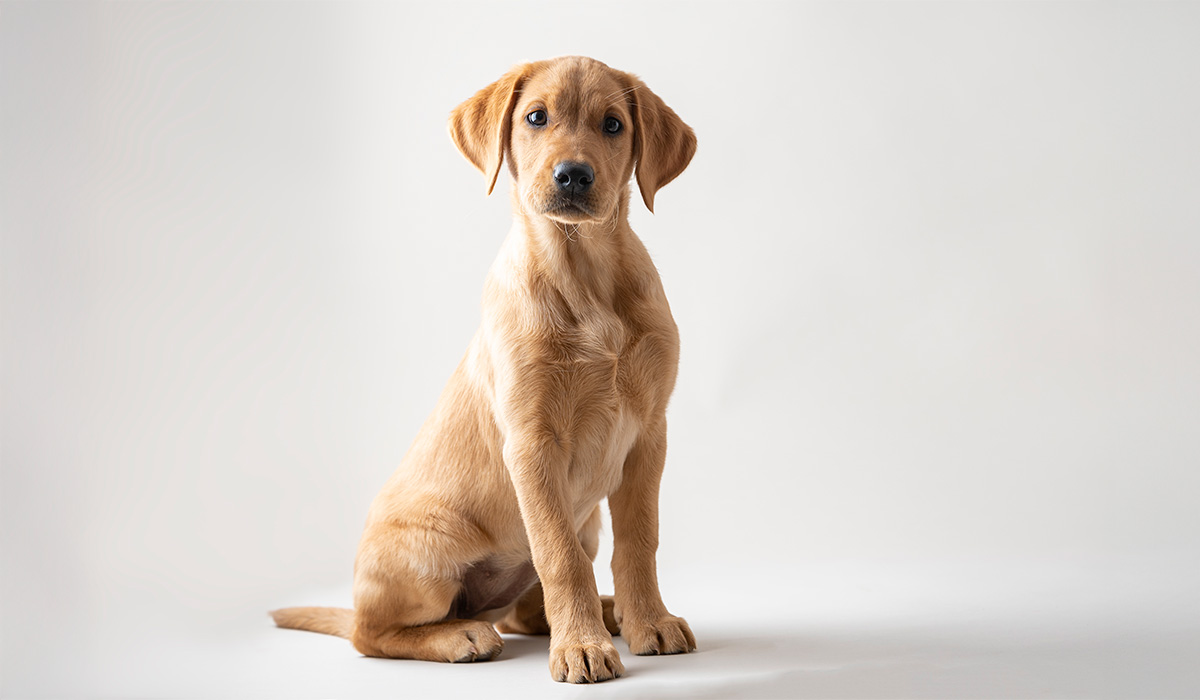
Puppies in this stage are curious, playful, and starting to test the boundaries of the world around them — and of you. They’re learning fast, have boundless energy, and their baby teeth are giving way to adult teeth, which makes chewing an urgent priority for them (if not for your furniture). If they have had reasonable socialisation up until now, the next month or two can be considered a bonus period for socialisation, where you can really hardwire in strong social behaviours.

What your dog needs from you: Consistency, routine, and training. This is the ideal time to establish the house rules and teach the basic commands you want to carry through your dog’s whole life — because habits formed now, stick. Keep training sessions short (five to ten minutes) and fun. Provide appropriate chew toys to redirect the inevitable mouthing and gnawing. Socialisation should continue, and your puppy will benefit enormously from opportunities to play with other vaccinated, friendly dogs. Keep exercise gentle to protect your pup’s growing body.

Stage 4: Adolescence (6–18 months)

Human equivalent: teenager, roughly 13–17 years

Ah, adolescence. If you’ve ever felt like your previously angelic puppy has been replaced by a selective-hearing, boundary-testing stranger, you’ve arrived. Adolescence is the phase that sees most dogs surrendered to shelters, and it’s a great shame — because with understanding, consistency and patience, it passes.

Neurologically, the adolescent dog’s brain is undergoing significant restructuring, not unlike a human teenager’s. Impulse control is genuinely harder at this age, not a choice. They may seem to “forget” trained behaviours, become more distracted, more reactive to other dogs, or pushier about getting their own way.

What your dog needs from you: Patience, empathy and persistence. This is not the time to abandon your structured training sessions! I see many people invest a solid effort with their young pup, then abandon ship when that pup becomes a teen and still needs guidance.

Hold your boundaries, redirect, manage the environment, and revisit training with calm consistency in order to solidify positive behaviours for life. This is the most important stage for proofing your training – systematically exposing your pup to gradually more distracting environments while reinforcing appropriate learned behaviours. Increase physical exercise to channel energy, but be mindful that skeletal development isn’t complete until 12–18 months depending on breed size, so avoid repetitive high-impact exercise. Invest in enrichment — puzzle feeders, sniff walks, and training games — to tire the brain as well as the body. Keep your sense of humour. This too shall pass.


Look out for Part 2 – young adulthood to geriatric years.

Related Topics

Join New Zealand’s trusted health & wellbeing community

Access to New Zealand's largest resource of health and wellness information, with regular updates sent to your inbox. PLUS, be in to win great giveaways.
Join Us

Community

Your opinion matters! Share your thoughts with the community.

Join New Zealand's trusted health and wellbeing community

Access to New Zealand's largest resource of health and wellness information, with regular updates sent to your inbox. PLUS, be in to win great giveaways and access members-only discounts.

Join Us

This will close in 35 seconds