


A Dog’s Life – Understanding Your Pet’s Journey | Part 2

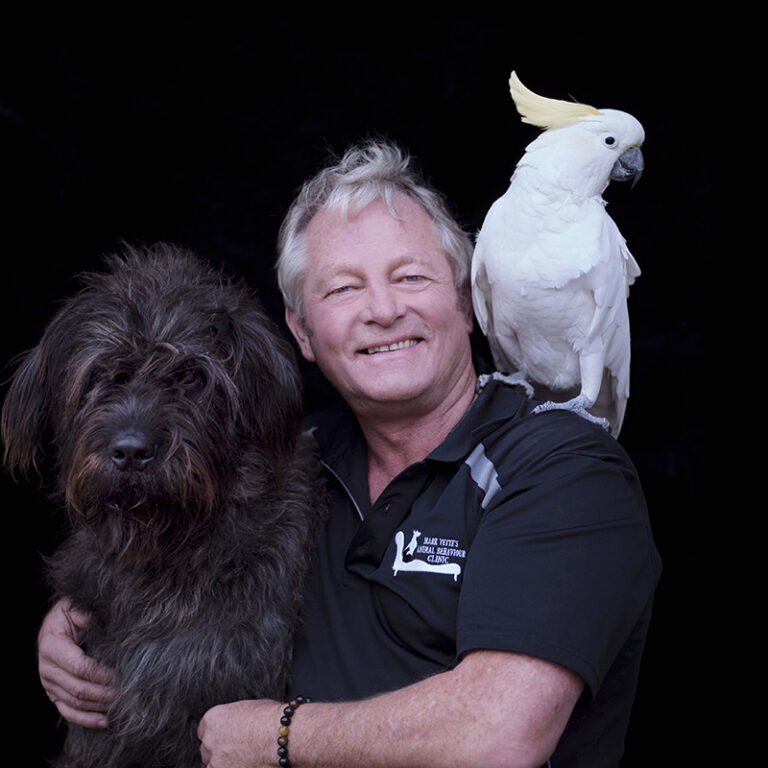
Mark Vette Animal Behaviourist, Zoologist and Trainer

Continuation from A Dog’s Life – Understanding Your Pet’s Journey – Part 1


Stage 5: Young Adulthood (1–3 years)

Human equivalent: young adult, roughly 18–30 years

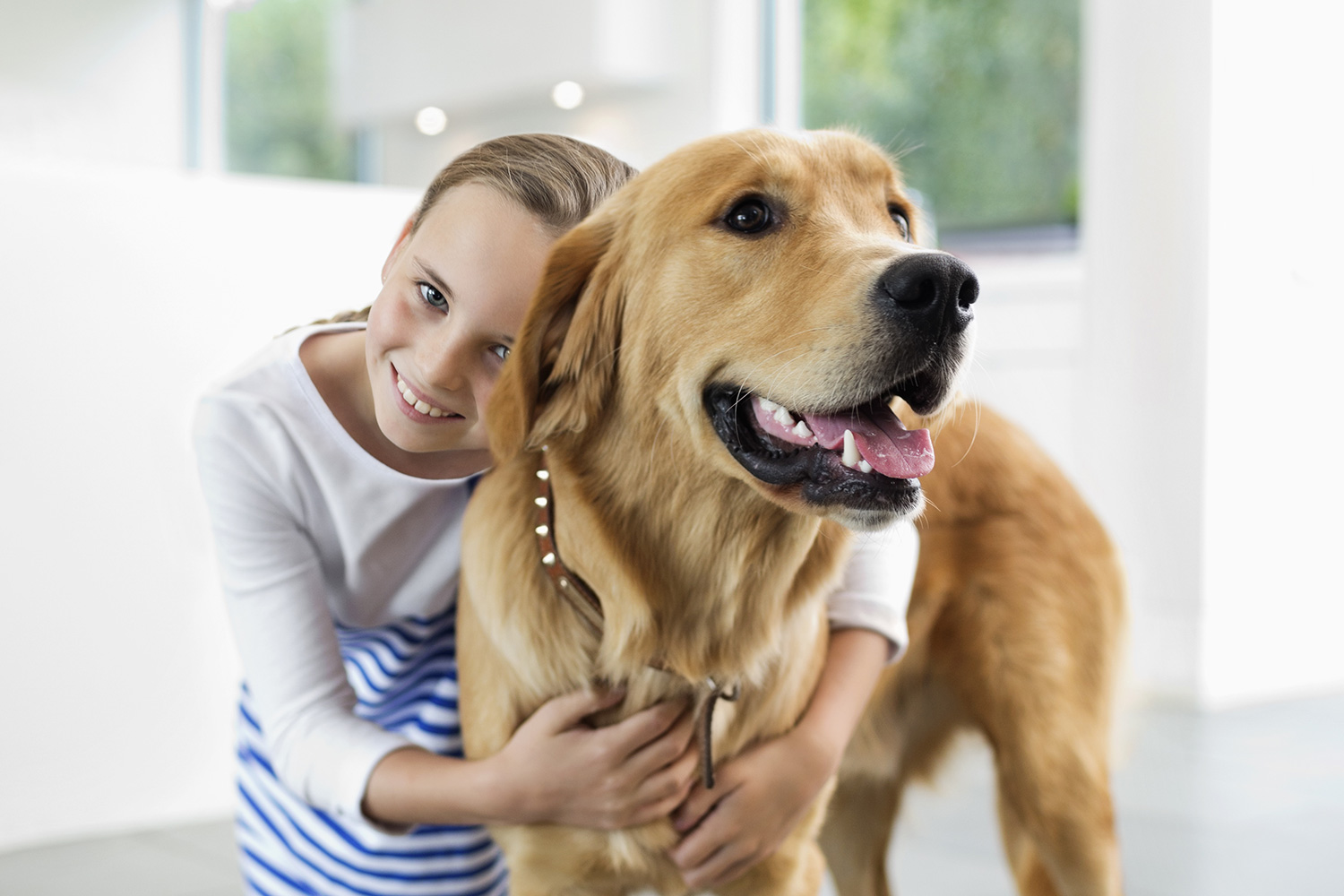
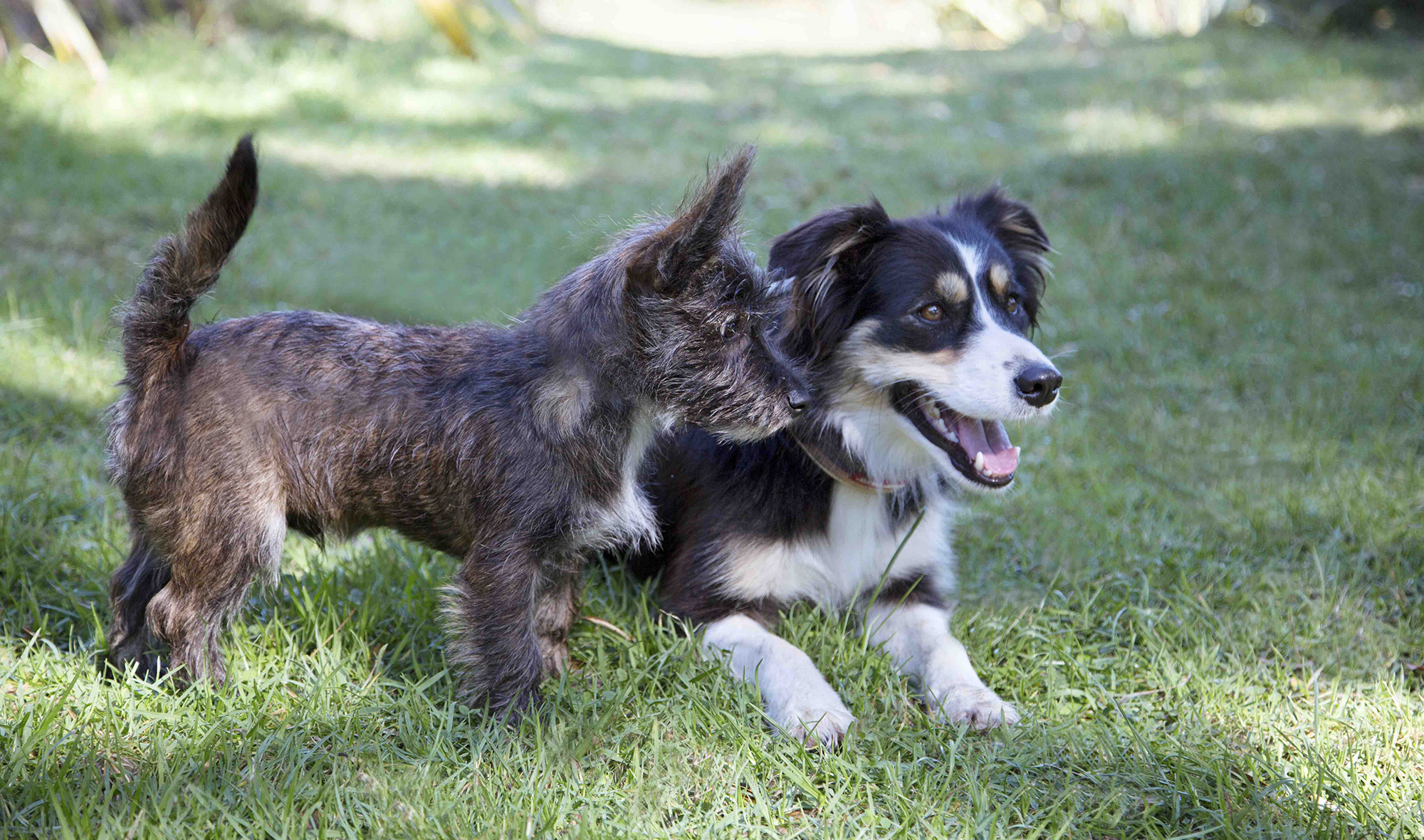
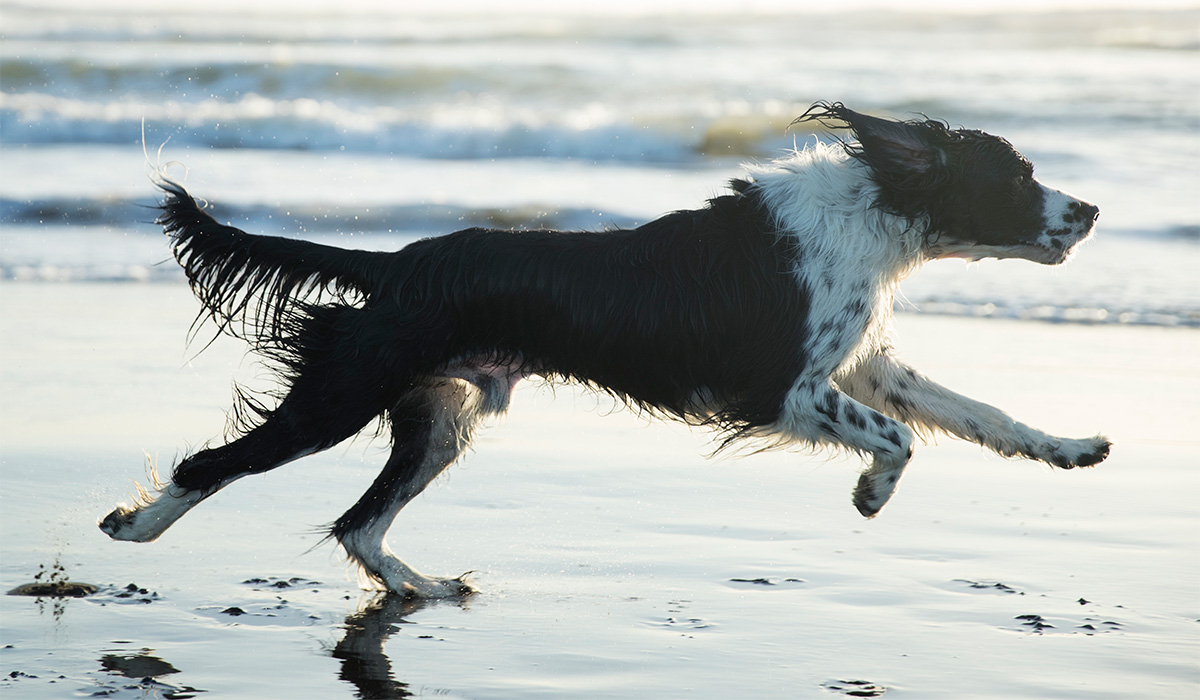
Your dog has grown into themselves. The adolescent chaos typically settles, training starts to click, and you begin to see the dog they’re going to be. Young adult dogs are usually at their peak physically: energetic, strong, and playful, with improving emotional regulation. This is a joyful stage for most owners. However their relative dominance to other dogs of the same sex often increases at this stage, especially if they stay entire (particularly males). They also increase their territoriality from 18 months on, and so can become bark and protective of your property, car or family members.

What your dog needs from you: An outlet for that energy. Regular daily exercise is non-negotiable, and the amount will depend on breed, size, and individual temperament. Continue training — not because they’ve failed to learn, but because ongoing training deepens your communication and keeps their mind engaged. This is a great age to explore dog sports, agility, nosework, or trick training if you want to build an even richer relationship (especially with working dog breeds). Social connection with both humans and other dogs remains important for most breeds.
Stage 6: Prime Adulthood (3–7 years)

Human equivalent: middle adulthood, roughly 30–50 years

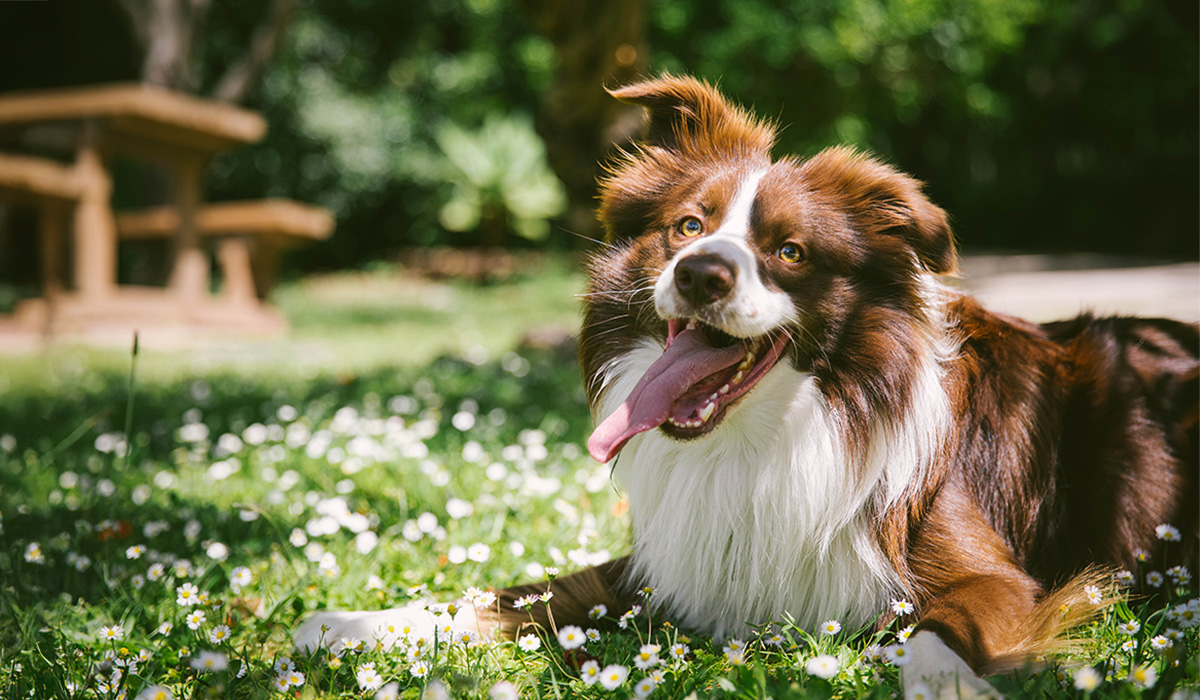
This is the golden era many owners speak of with great fondness. Your dog knows you, knows the household rhythms, and is confident and settled. Their personality is fully formed. Health is typically robust, and the relationship you’ve built over the previous years pays dividends in depth and trust.

What your dog needs from you: Maintenance of the good things — regular exercise, mental stimulation, veterinary check-ups, dental care etc. Don’t make the mistake of assuming a settled adult dog “doesn’t need” training or enrichment anymore. Boredom affects adult dogs just as it does any intelligent being. Introduce novelty regularly: new walks, new skills, new games.

Stage 7: Mature to Senior (7–10 years)

Human equivalent: late middle age to early retirement, roughly 50–65 years

The transition into the senior years can be gradual and easy to miss. Your dog may sleep a little more, take slightly longer to warm up on a morning walk, or show a touch less enthusiasm for boisterous play. Internally, their organs are working harder, and age-related changes to joints, eyesight, hearing, and cognition may be beginning.

What your dog needs from you: Gentle attentiveness. Keep them active, but adapt exercise to their changing capacity — shorter, more frequent walks are often better than one long one. Schedule twice-yearly vet check-ups to catch age-related conditions early, when they’re most treatable. Pay attention to subtle changes in behaviour, appetite, or mobility, as these are often the first signs that something needs attention. Orthopaedic bedding, ramps instead of stairs, and warming up gently before walks can make a significant difference to comfort.

Stage 8: The Geriatric Years (10+ years)

Human equivalent: senior, roughly 65+ years

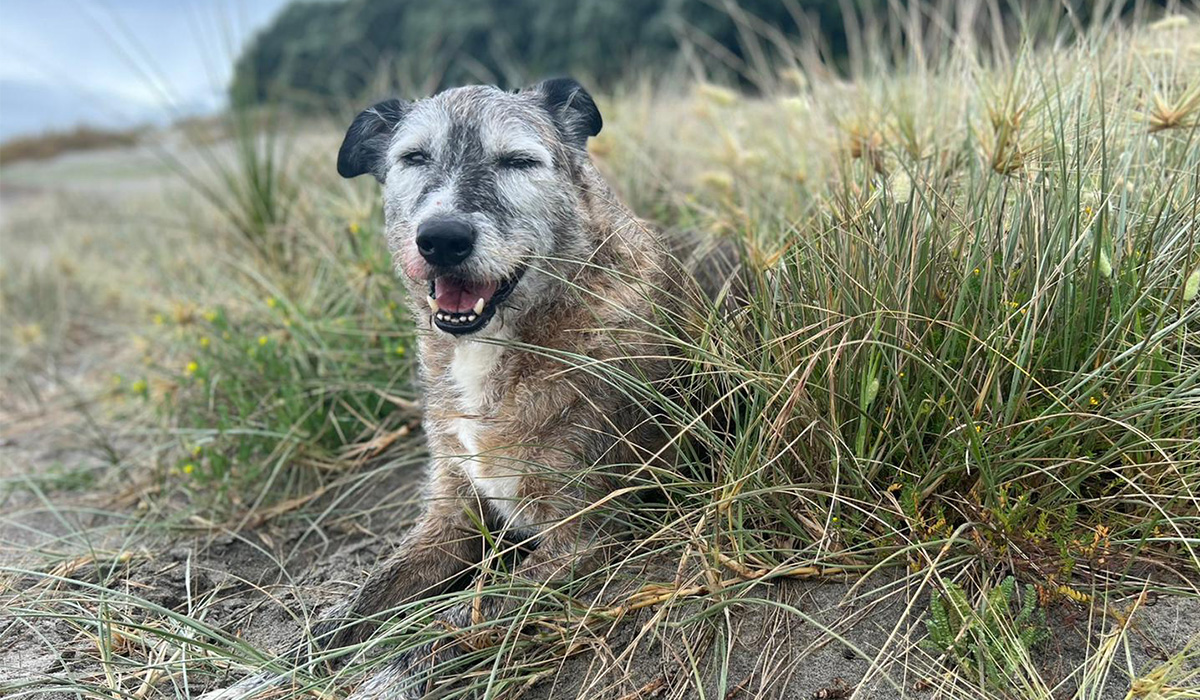
Every year beyond ten is a gift, and many dogs thrive well into their teens with attentive care. But the geriatric stage brings real challenges: arthritis, cognitive dysfunction syndrome (similar to dementia in humans), reduced immunity, potential organ decline, and sensory loss. Quality of life becomes the central focus.

What your dog needs from you: Comfort, patience, and advocacy. Keep routines consistent, as familiarity is deeply reassuring for a dog whose senses may be diminishing. Continue gentle mental engagement — sniff walks and simple interaction are accessible even for less mobile dogs. Work closely with your vet on pain management and quality of life assessments. Make adaptations to the home as needed: non-slip mats, accessible sleeping areas, and food and water bowls at a comfortable height.

Most importantly, pay attention. Dogs are stoic by nature and often mask pain and discomfort. One of the most loving things we can do in this final chapter is to watch carefully, listen to our vet, and make the hard decisions when the time comes with kindness.


A Final Word

Dogs move through their lives faster than we do, which is both the joy and the heartbreak of sharing your life with one. When you understand where your dog is in their journey and what they need from you, you give them the best chance of a life well lived. And in return, they give you everything they have. That, in the end, is a very good life indeed.

Related Topics

Join New Zealand’s trusted health & wellbeing community

Access to New Zealand's largest resource of health and wellness information, with regular updates sent to your inbox. PLUS, be in to win great giveaways.
Join Us

Community

Your opinion matters! Share your thoughts with the community.

Join New Zealand's trusted health and wellbeing community

Access to New Zealand's largest resource of health and wellness information, with regular updates sent to your inbox. PLUS, be in to win great giveaways and access members-only discounts.

Join Us

This will close in 35 seconds