




Winter Travel: Healthy Ways to Prepare for a Flight

Renée Naturally Qualified Naturopath, Nutritionist & Western Medical Herbalist

School holidays are nearly here, and for some lucky Kiwis, that means passports and a much-anticipated getaway. For others, an overseas trip may feel a long way off in the current climate. I see you. Whether you’re preparing for an upcoming adventure, travelling for work, or simply dreaming of sunnier destinations from the comfort of your couch, a little preparation can go a long way when it comes to staying healthy while travelling.

There’s no denying it, flights can be pretty brutal on the body. Between disrupted sleep, dry cabin air, dehydration and sitting still for hours, it’s not uncommon to arrive at your destination feeling more in need of a lie down than an adventure.

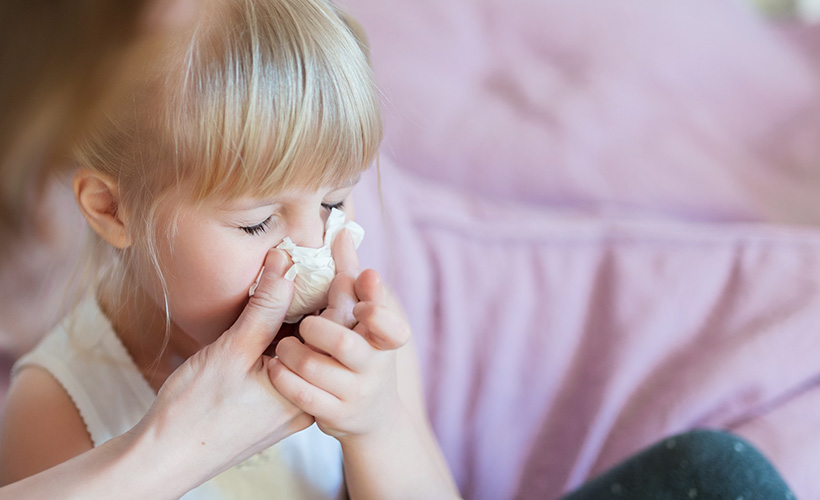
Then there’s the small matter of sharing a plane with a few hundred other people. After all, it’s not just passengers boarding the plane. Planes can be a hotbed for bugs, making a little extra preparation worthwhile. Even an hour-long flight beside someone coughing and sniffing can be enough to make you start questioning your immune system’s chances. Which is all the more reason to give your immune system a little extra support.


 

Before You Fly

One of my favourite travel health tips is to start preparing your body a few days before you fly. Most of us spend the days before departure focused on packing, errands and last-minute jobs, but it’s worth giving a little thought to preparing your body too. Prioritising sleep in the days leading up to travel is one of the best things you can do. Don’t bank on the idea that you’ll catch up on sleep once you’re on the plane. I don’t think I’ve ever heard anyone step off a plane saying, “Wow, that was the best sleep I’ve had in ages.”  Even if you’re lucky enough to avoid both crying babies and a particularly chatty seatmate, sometimes sleep simply doesn’t come.

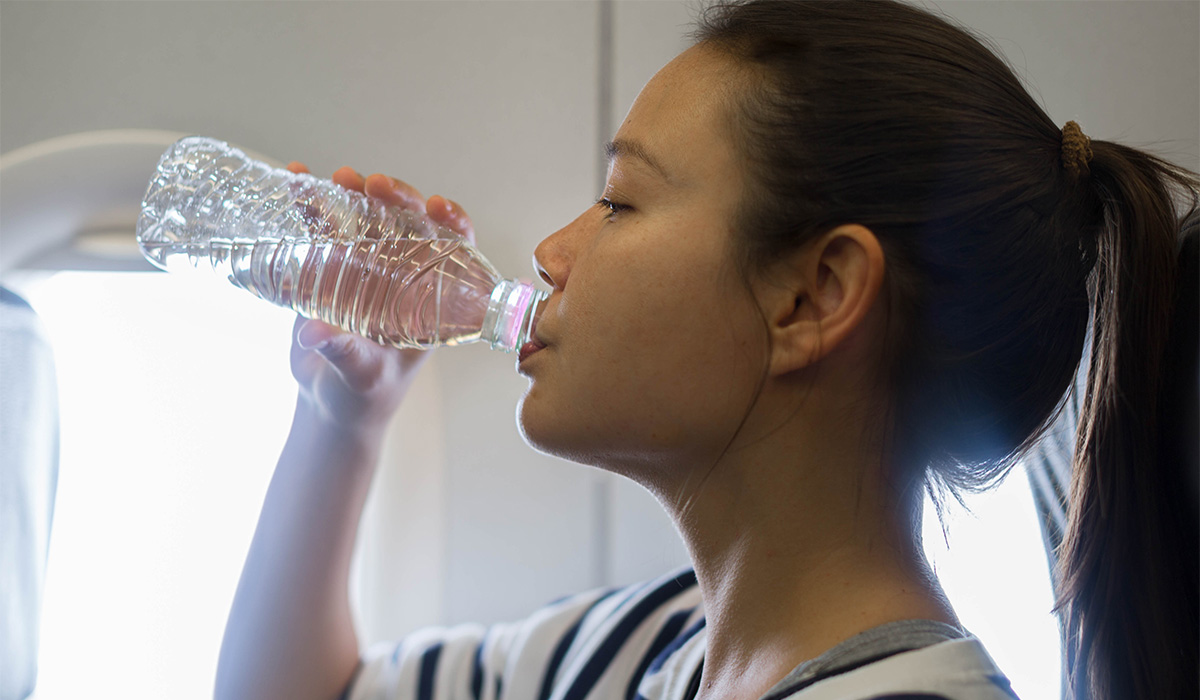
Hydration in advance is equally important. Cabin air is incredibly dry, so starting your journey already dehydrated puts you on the back foot. Increase your water intake in the day or two leading up to your flight and try to minimise alcohol and excess caffeine, both of which can contribute to dehydration.

It’s also worth paying attention to your diet before travel. Too much sugar can negatively impact the immune system and the body’s ability to fight infection. Save the gelatos and pastries for the holiday… as reducing sugar intake in the days before you fly may help support your natural defences.

When I’m travelling, this is usually when I reach for a few extra immune supports. Some people choose to use supplements such as zinc, vitamin C, garlic, spirulina or echinacea in the lead-up to travel. I often travel with vitamin C powder in my carry-on and take it throughout the flight. It takes up almost no room and is one of my non-negotiables when flying.

Another useful addition to your pre-travel toolkit is a saline nasal spray or Neti pot. A Neti pot uses a saltwater solution to gently flush the nasal passages and can help keep the airways clear before and after travel.

If flying makes you anxious, it can also be helpful to think about stress support before you leave. Magnesium, breathing exercises, meditation apps and calming herbal preparations may all be worth considering. Some people also find valerian helpful for encouraging relaxation and supporting sleep, particularly when adjusting to a new time zone.


Once On Board

Not only does the dry plane air leave your skin feeling parched, it can also dry out the mucus membranes that act as one of your body’s first lines of defence against infection. Keeping them moist can help them do their job properly. A saline nasal spray can be useful during long flights, while moisturiser, lip balm and lubricating eye drops can help combat the drying effects of cabin air. Hydration remains one of the most important things you can focus on once you’re in the air. Keep a water bottle handy and sip regularly throughout the flight. Dehydration can contribute to headaches, fatigue, dry skin and may even make jet lag feel worse once you arrive.

Movement is another simple but important strategy. Sitting still for long periods, combined with dehydration, can slow circulation and increase the risk of deep vein thrombosis (DVT), particularly on longer flights. Get up and walk around the cabin whenever you can, stretch your legs, rotate your ankles and avoid restrictive clothing. If you’re prone to motion sickness, ginger may be worth packing. Whether taken as a supplement, tea or ginger sweets, many people find it helpful for reducing nausea and settling the stomach.

And finally, don’t underestimate the power of good hand hygiene. I don’t need to go over the ABCs of hand washing, but if you’ve ever watched how many surfaces you touch between check-in and take-off, you’ll know why it’s on this list (gross!)

Travel should leave us with wonderful memories, not unwanted bugs. By giving your body a little extra support before and during your flight, you’ll be far more likely to arrive feeling healthy, energised and ready to enjoy the adventure ahead. Safe travels… even if, like me, your current travel plans involve more Pinterest inspo boards than boarding passes!

Join New Zealand’s trusted health & wellbeing community

Access to New Zealand's largest resource of health and wellness information, with regular updates sent to your inbox. PLUS, be in to win great giveaways.
Join Us

Community

Your opinion matters! Share your thoughts with the community.

Join New Zealand's trusted health and wellbeing community

Access to New Zealand's largest resource of health and wellness information, with regular updates sent to your inbox. PLUS, be in to win great giveaways and access members-only discounts.

Join Us

This will close in 35 seconds