Sexually transmitted infections (STIs) are more common than many people realize—and often go unnoticed until they cause serious health issues. Practicing safe sex is one of the most effective ways to protect yourself and your partners from infections like chlamydia, gonorrhoea, syphilis, and HIV. Whether you’re in a long-term relationship or exploring new ones, understanding how STIs spread and how to prevent them is key to staying healthy, confident, and in control of your sexual wellbeing.
What is a sexually transmitted infection?
The warm, moist genital areas are the perfect breeding ground for germs and if any come in contact with infected body fluids, such as semen, vaginal secretions and blood, the germs will easily take hold.
Common STIs
- Chlamydia: is the most common sexually transmitted infection (STI) and can cause infertility in both men and women. For both sexes there are usually no symptoms. When symptoms do occur, for women these are pain with sex or with passing urine, low abdominal pain and a vaginal discharge. For men, symptoms include pain when passing urine or a discharge.
- Non-specific urethritis (NSU): only produces symptoms in men and causes inflammation of the urethra, which is the tube passing from the bladder to the end of the penis.
- Gonorrhoea: again there may be few, if any, symptoms in both sexes. Symptoms are similar to chlamydia although the discharge is often thicker. The infection can be transmitted to the throat and rectum and long-term problems are possible such as infertility and chronic pain.
- Syphilis: the first sign of infection, which can take up to 12 weeks to appear, is a painless ulcer in the genital or anal area. If untreated over the next two years other symptoms can develop including swollen glands, hair loss and a rash. In the final stages, organ damage and mental illness are likely.
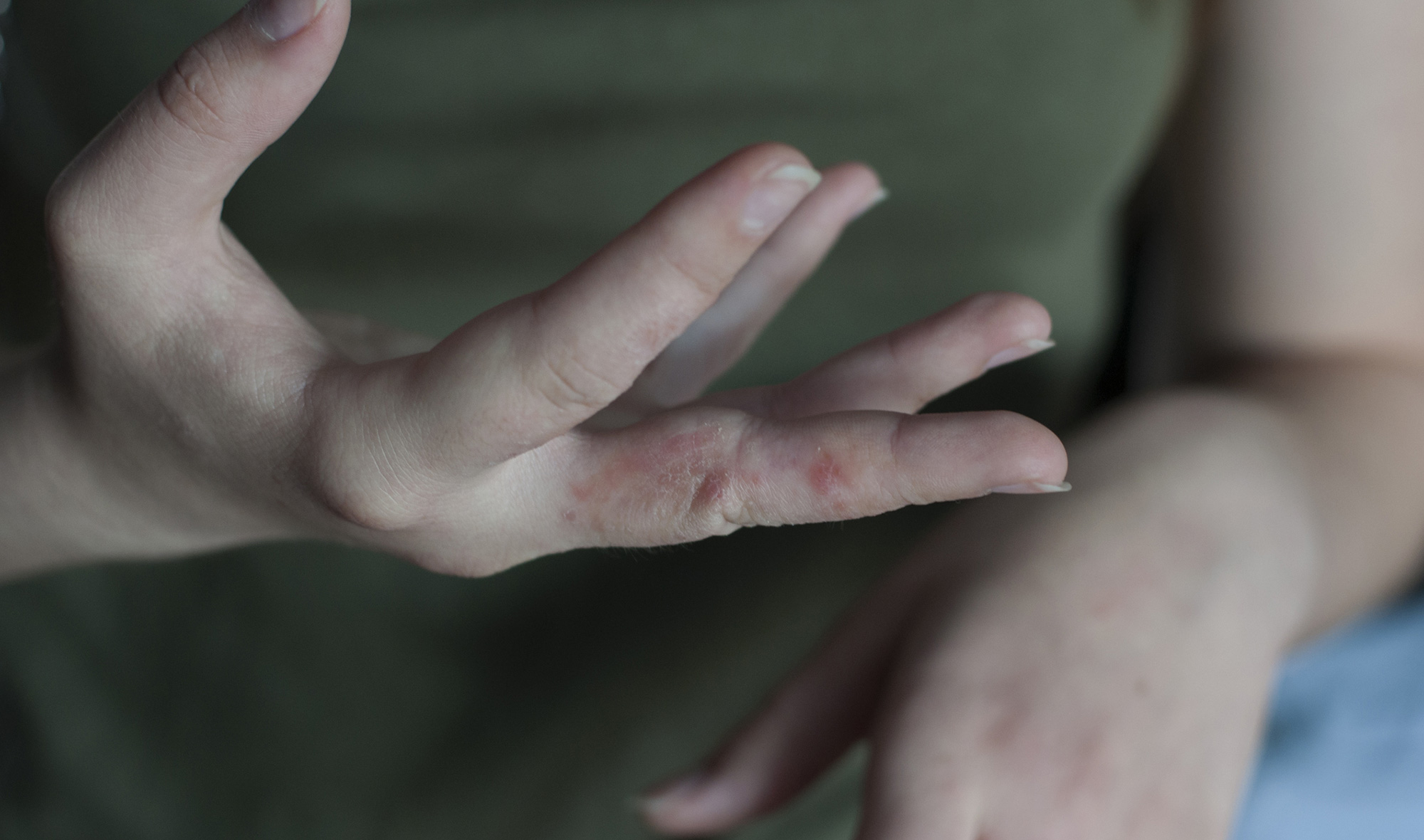
- Genital herpes: is caused by herpes simplex virus (HSV) and can cause painful blisters around the genital and anal areas. The number of blisters can vary from 1 or 2 to many dozen in the first attack. Once you have HSV, repeated outbreaks are likely although some people with HSV never develop symptoms but can still pass the virus on to another person.
- Genital warts: are caused by the human papilloma virus (HPV) and form small painless lumps around the vagina in women, the penis in men, and around the anus in both sexes. Treatment is by freezing, diathermy, paint or cream. Certain strains of HPV are implicated in cervical cancer. There is a vaccine to prevent this disease.
- HIV/AIDS – is acquired immune deficiency syndrome (AIDS) caused by the human immunodeficiency virus (HIV) which attacks the immune system. The first symptoms can appear within six weeks but often not for several years, and are flu-like with sore throat, fever and swollen lymph glands. Eventually as the immune system loses its ability to fight disease, infections happen regularly and can be fatal.
- Other STIs include trichomonas and hepatitis A, B and C.
Symptoms of an STI
Women may have no symptoms and only find out about the infection because their partner has been diagnosed. When symptoms occur they include:
- Vaginal discharge and irritation
- Vaginal bleeding after sex or between periods
- Pain during sex
- Passing urine or needing to pass urine more often
- Pelvic or lower abdominal pain
- Sores or blisters in the genital area.
Men may have no symptoms but when they occur include:
- Discharge from the penis
- Pain and inflammation of the penis, testicles and prostate gland
- Painful erection
- Pain passing urine
- Sores or blisters in the genital area.
Prevention and treatment
The best prevention is to understand what causes a STI, be aware of the risks and take precautions to avoid putting yourself and your partner at risk.
1. Practice safe sex – use a condom
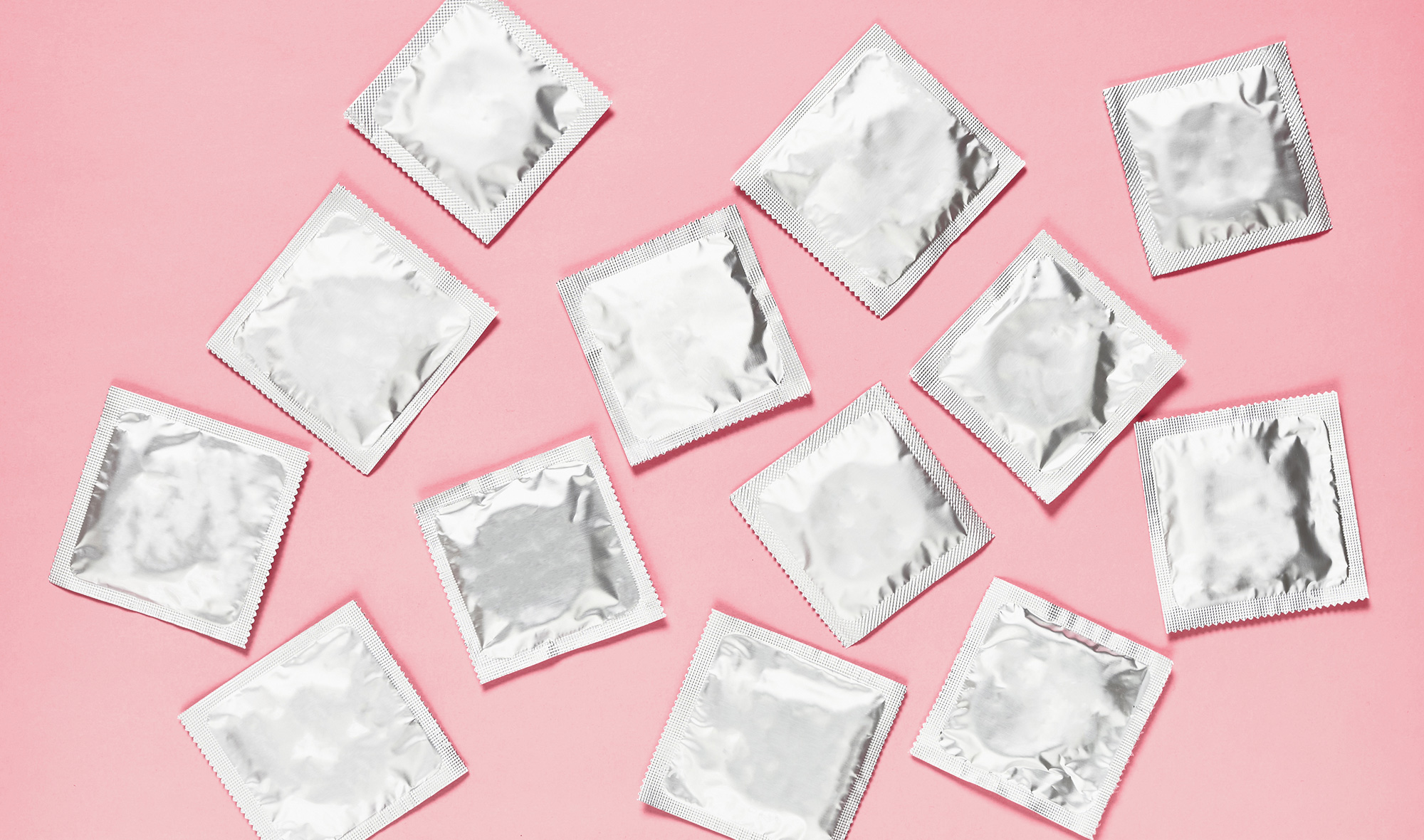
A condom is usually made of latex rubber which acts as a physical barrier against micro-organisms in body fluids. Using a condom protects both partners from infection as well as an unwanted pregnancy.
2. What to do if you think you have an STD
Visit your GP or a sexual health clinic.
3. Diagnosis
You will have a physical examination, which for women includes an internal examination. You may need to provide a urine and blood sample and there will be swabs for laboratory testing.
4: Treatment
- Antibiotics are effective treatment for all bacterial STIs, including chlamydia, non-specific urethritis, gonorrhoea and syphilis
- Anti-viral agents are effective against viral infections including genital herpes and HIV
- Soothing agents may help with genital herpes such as a Vaseline cream
- Pain-relief, including paracetamol
- Topical anaesthetic-containing creams.
5: Dealing with a STD
- Contact previous partners who may be at risk and inform them
- Complete the full course of treatment you have been given
- Refrain from sex until the infection has cleared up
- Keep your follow-up health checks.


















Community