






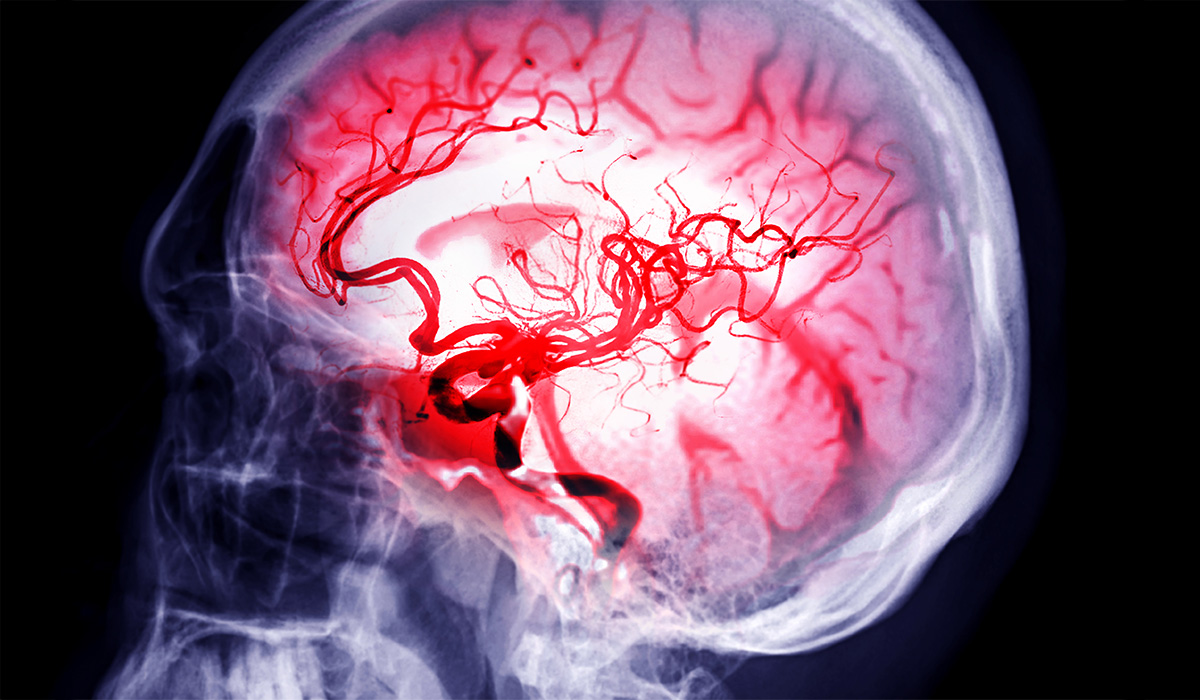
A stroke can happen suddenly and without warning, changing a life in an instant. It occurs when blood flow to part of the brain is interrupted, depriving brain cells of the oxygen and nutrients they need to function. Every minute matters, which is why recognising the signs and seeking immediate medical attention can make a critical difference.
While stroke is often associated with older adults, it can affect people of all ages and remains one of the leading causes of disability worldwide. The good news is that greater awareness, advances in treatment and proactive lifestyle choices are helping more people reduce their risk and improve outcomes.
In this article, we’ll explore what causes a stroke, the warning signs to watch for, and the steps you can take to help protect your brain health.
Why Blood Pressure Matters
When it comes to stroke prevention, few risk factors are as important, or as manageable, as blood pressure. Often called the “silent killer”, high blood pressure can damage and weaken blood vessels over time, increasing the likelihood of a blockage or rupture in the brain that can lead to a stroke.
The impact of stroke is significant. In New Zealand, stroke is the second leading cause of death, affecting around 9,000 people each year and claiming approximately 2,500 lives. On average, 24 New Zealanders experience a stroke every day, highlighting the importance of awareness, early detection and prevention.
Beyond its devastating impact on mortality, stroke is also one of the leading causes of long-term disability. Many survivors face ongoing challenges with mobility, speech, memory, cognition and everyday activities, often requiring extensive rehabilitation and support. The effects can be life-changing not only for the individual, but also for their families and caregivers.
Who Is at Risk Of A Stroke?
While stroke can affect anyone, regardless of age or background, the risk increases significantly as we get older. Around 75% of strokes occur in people aged 65 and over, making age one of the strongest risk factors. However, it’s important to remember that strokes are not confined to older adults—an increasing number are occurring in younger and middle-aged people, often due to lifestyle-related risk factors such as high blood pressure, obesity, smoking and diabetes.
Some population groups are also disproportionately affected. Māori and Pacific peoples experience higher rates of stroke and are more likely to have a stroke at a younger age than other New Zealanders. These disparities are influenced by a range of factors, including higher rates of conditions such as hypertension, diabetes and cardiovascular disease.
Men are generally more likely to experience a stroke than women. However, women face unique risk factors throughout their lives. Pregnancy, certain hormonal contraceptives, menopause and conditions such as pre-eclampsia can all increase stroke risk. Women also tend to live longer than men, meaning they account for a significant proportion of stroke cases overall.
In addition to age, ethnicity and sex, several other factors can increase the likelihood of stroke. High blood pressure remains the single greatest modifiable risk factor, but high cholesterol, smoking, excessive alcohol consumption, physical inactivity, poor diet, obesity, diabetes and atrial fibrillation (an irregular heartbeat) can also contribute. Family history and previous stroke or transient ischaemic attack (TIA), often called a “mini-stroke”, may further elevate risk.
Managing Risk Factors
High blood pressure significantly increases the risk of stroke — up to seven times higher compared to someone with normal levels. Many people are unaware they have high blood pressure, making regular checks essential.
Other common risk factors include:
-
Family history
-
Heart disease
-
Heart rhythm disorders (e.g. atrial fibrillation)
-
Smoking
-
Diabetes
-
High cholesterol
-
Use of oral contraceptives
-
Excessive alcohol consumption
-
Being overweight
Stroke risk often results from a combination of these factors over time. Having multiple risk factors further increases the likelihood of a stroke. The good news is that many of these risks can be managed. Monitoring and managing blood pressure through regular health checks, a balanced diet, physical activity, stress management and other healthy lifestyle choices can significantly reduce your risk. Understanding your blood pressure numbers and taking action early is one of the most powerful steps you can take to protect your brain health and overall wellbeing.
Recognising the Signs of Stroke
Recognising the signs of a stroke and acting quickly can significantly improve outcomes. The sooner treatment begins, the greater the chance of reducing brain damage.
Common symptoms include:
- Sudden weakness or numbness in the face, arm, or leg (especially on one side)
- Sudden blurred or loss of vision in one or both eyes
- Sudden difficulty speaking or understanding speech
- Sudden dizziness, loss of balance, or difficulty coordinating movements
The specific symptoms depend on which part of the brain is affected. A stroke on one side of the brain will typically affect the opposite side of the body.
Act FAST
The FAST campaign helps people recognise the key signs of stroke and respond quickly:
- F – Face: Is one side of the face drooping? Can they smile?
- A – Arm: Is one arm weak? Can they raise both arms?
- S – Speech: Is their speech slurred or unclear? Can they speak at all?
- T – Time: Time is critical — call 111 immediately
Stroke Is a Medical Emergency
Even if symptoms appear briefly or are painless, it is essential to call 111 right away. FAST highlights the main symptoms, but strokes can present in different ways. If a stroke is suspected for any reason, immediate action is crucial.
For more information:









Community