








GLP-1, or glucagon-like peptide-1, has become one of the most talked-about hormones in health and nutrition. Prescription medications such as semaglutide and tirzepatide, have brought GLP-1 into the spotlight by transforming the treatment of type 2 diabetes and obesity. However, this remarkable hormone has always played an essential role in our body, regulating appetite, blood sugar and digestion. Understanding how your body’s own GLP-1 works—and how to support its natural production—can help you make informed choices about your metabolic health.
So, what exactly is GLP-1, and why is it so important?
GLP-1 is produced primarily by specialised cells in the small intestine after we eat, particularly in response to protein, healthy fats, and fibre-rich carbohydrates. Once released into the bloodstream, it acts as a messenger, coordinating communication between the gut, pancreas, stomach, and brain.
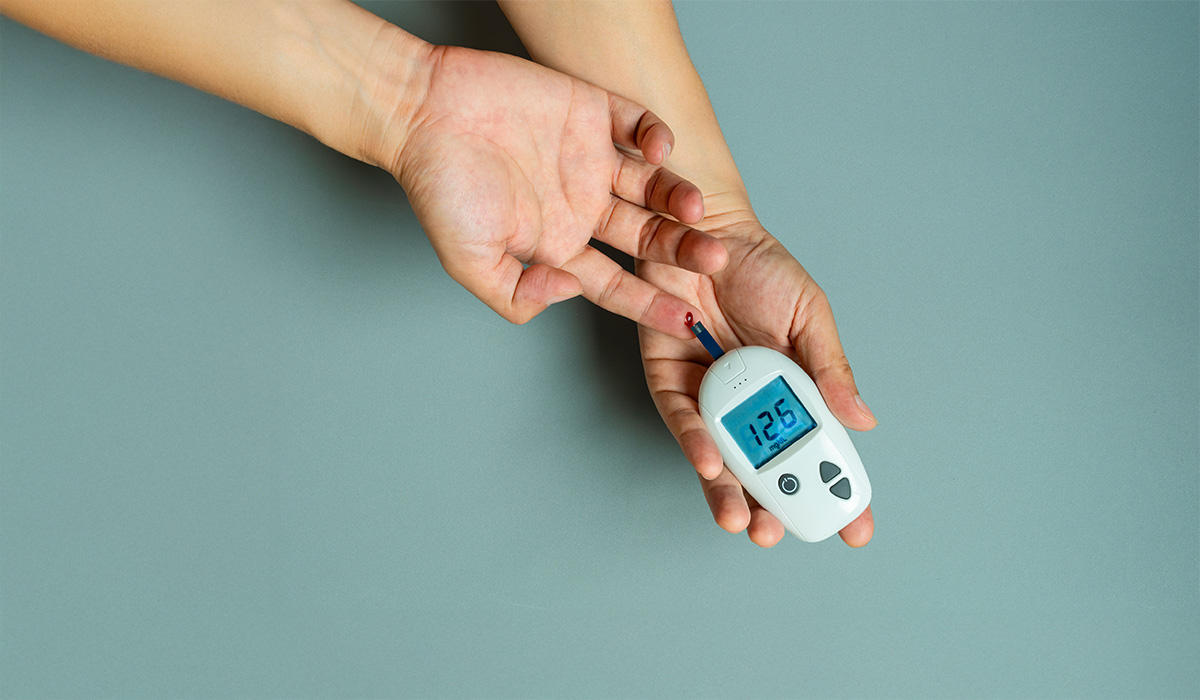
One of GLP-1’s most important roles is helping to regulate blood glucose levels. It stimulates the pancreas to release insulin when blood sugar rises after a meal, while also reducing the release of glucagon, a hormone that raises blood glucose. This balanced response helps prevent large spikes and crashes in blood sugar, supporting steady energy levels throughout the day.
GLP-1 also has a powerful influence on appetite. Rather than relying on willpower alone, your body uses GLP-1 as part of its built-in system for regulating hunger and satiety. It travels to appetite-regulating centres in the brain, helping us to feel full after eating and telling the brain that you’ve had enough to eat. At the same time, it slows the rate at which food leaves the stomach, allowing nutrients to be absorbed more gradually and helping meals feel more satisfying. Together, these actions naturally reduce hunger between meals and may decrease overall calorie intake.1
The body’s own GLP-1 is short-lived, remaining active for only a few minutes before being broken down. Despite its brief lifespan, it is continually produced in response to meals, providing ongoing regulation throughout the day.
Feeding Your GLP-1 Naturally
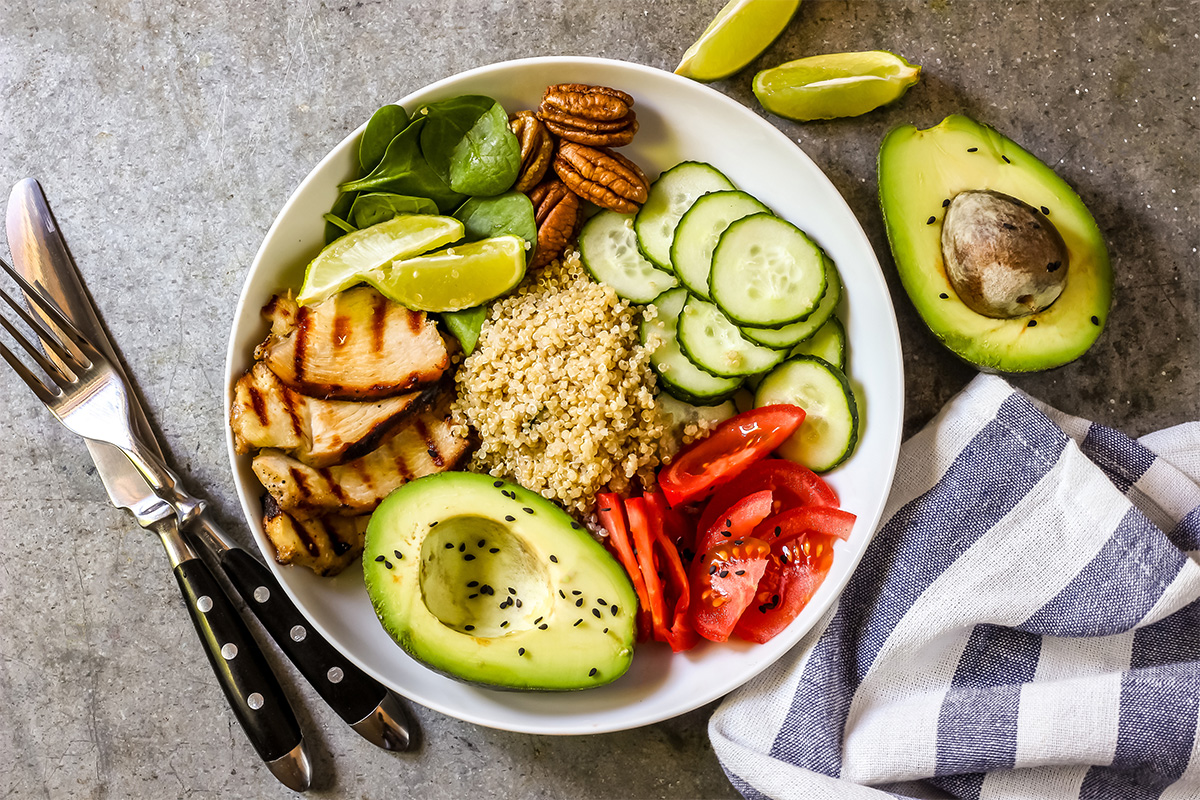
Fortunately, several lifestyle habits can help encourage healthy GLP-1 production. Eating adequate protein at each meal is one of the most effective strategies, as protein strongly stimulates GLP-1 release. Fibre-rich foods, including vegetables, legumes, oats, nuts, seeds, and whole grains, also promote GLP-1 secretion by slowing digestion and supporting a healthy gut microbiome. Fermented foods and foods rich in prebiotic fibres may further enhance GLP-1 production by encouraging beneficial gut bacteria that produce short-chain fatty acids, compounds known to stimulate GLP-1 release.
Regular physical activity has also been shown to improve GLP-1 responses, particularly when combined with a balanced diet. Managing stress, getting sufficient sleep, and maintaining a healthy body weight all contribute to better metabolic function and may support the body’s natural hormonal signalling.2
However, not everyone produces sufficient levels of GLP-1 naturally. People with type 1 diabetes, and some individuals who struggle with weight management, may benefit from medications that mimic or enhance GLP-1 activity. These treatments help regulate insulin production, appetite, and metabolic function.












Community