




Protect Your Vision Against Glaucoma and Cataracts

Tracey Sullivan Pharmacy Features Writer

Glaucoma and cataracts are common eye conditions that can cause vision loss. Both conditions develop slowly over time. The World Health Organisation reports that cataracts are the leading cause of blindness worldwide and are the most common correctable eye disease.1 More than 50% of people over the age of 80 are affected by cataracts with around 30,000 to 40,000 people requiring cataract surgery in New Zealand each year. Glaucoma is the second leading cause of blindness worldwide and affects around 100,000 New Zealanders. It is thought that over half the people with glaucoma don’t actually know that they have it because often in the early stages there are no symptoms.2


How Do These Eye Conditions Cause Loss Of Vision?

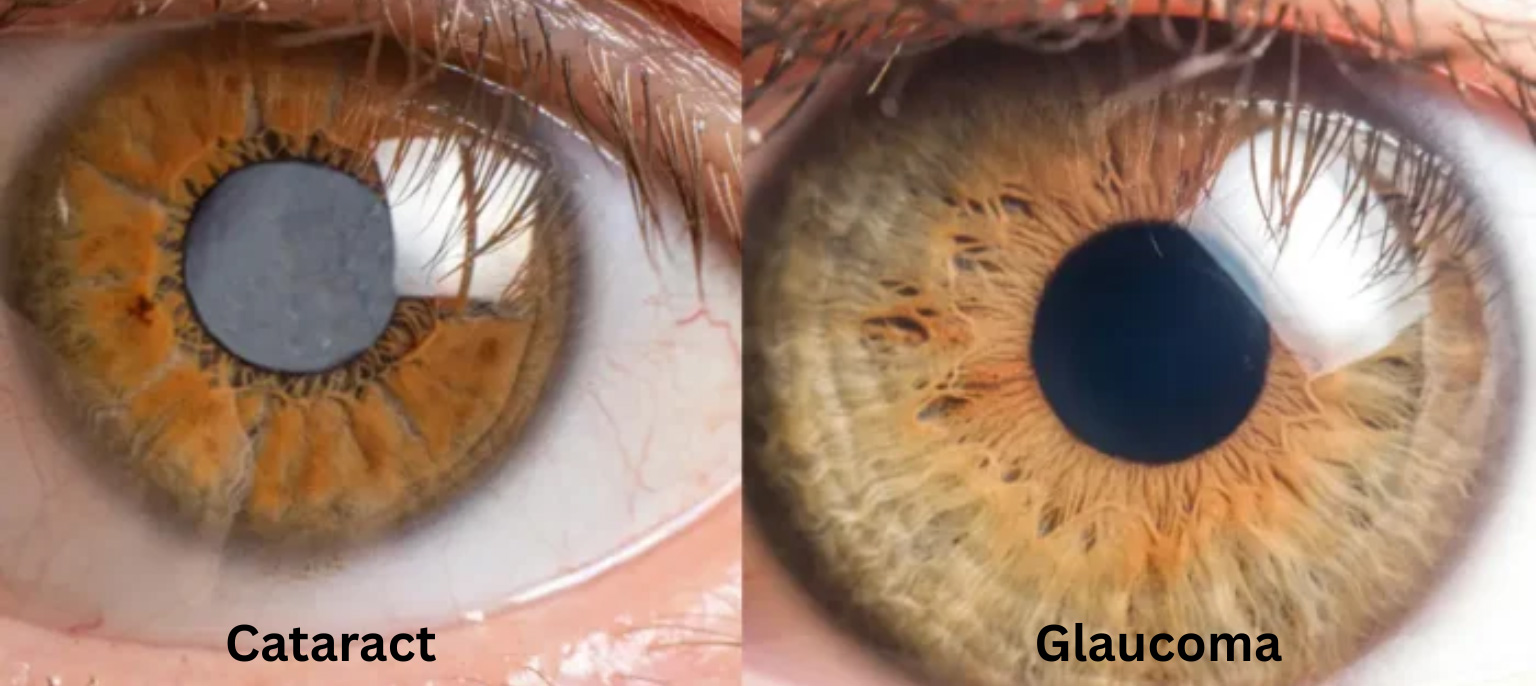
With glaucoma, pressure in the eye starts to build up over time as the normal drainage system of the eye becomes blocked or hardened and doesn’t drain the fluid inside the eye like it used to. As the fluid builds up, the intraocular pressure in the eye increases. The optic nerve which connects the eye to the brain, transmitting visual signals is damaged by this increased pressure. While there is no cure for glaucoma, early detection and treatment can slow or stop nerve damage and prevent further loss of sight.

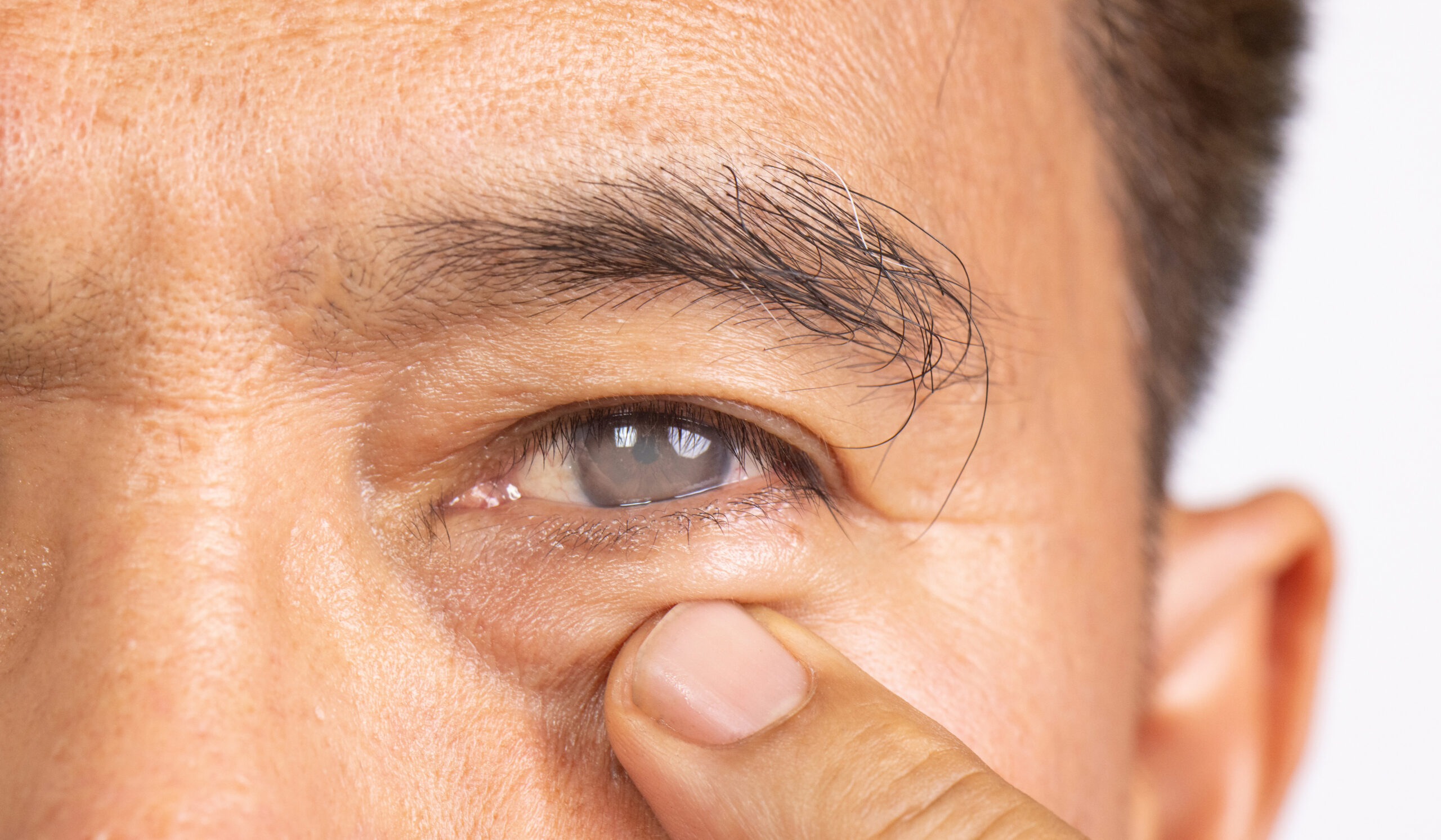
With cataracts, clear proteins present in the eye’s lens begin to break down and clump together causing cloudy, foggy or blurry areas which block or scatter the light from reaching the retina. Like glaucoma, cataracts don’t disturb the sight in the early stages but with time, vision can be described as looking through a fogged or frosty window. Cataracts can make it difficult to read, drive a car at night, or to see facial expressions. In the early stages of the condition, it can be treated by using stronger lighting or wearing glasses but it is likely that cataract surgery will eventually be needed. The only treatment to restore vision is surgical removal of the cloudy lens.
Do You Have Any Of These Eye Symptoms?

Cataracts –

  • sensitivity to light/glare
  • double vision in one eye
  • fading or yellowing of colours
  • frequent changes to prescription lenses or contacts
  • presence of “halos” around lights
  • hard to see at night
  • cloudy, blurry, dim vision
  • need bright lights for reading etc.


Glaucoma causes vision loss over time, usually starting with peripheral vision loss (e.g., blind spots in the side vision especially the part of the vision closest to the nose). The brain adapts to this vision loss so masks the early stage of the disease. Central vision is affected next as the blind spots expand then eventually permanent vision loss occurs. These changes can happen so slowly that people don’t notice that their vision is changing. This is why annual eye checks from the age of 65 can help pick up glaucoma in its early stages. Another early symptom of glaucoma is difficulty adjusting to low light levels.3

Do I Need To Go To The Doctor Or Optometrist To Be Diagnosed With These Conditions?

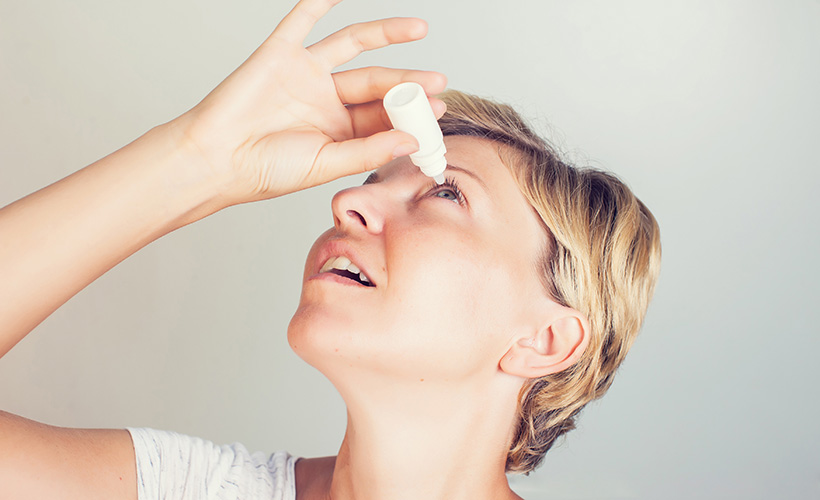
The first step towards a glaucoma diagnosis is an eye test with an optometrist. If they find any sign of glaucoma they will refer you to an eye doctor (ophthalmologist) for further assessments and a treatment plan. This could mean being prescribed glaucoma medicines (usually eye drops but sometimes oral medicines are used) that help to reduce pressure in the eye. Laser treatment or surgery is performed if medications are not enough to reduce intra-ocular pressure. Once you have a glaucoma treatment plan, your GP can continue with the prescribing of all glaucoma treatments.

If you think you might have a cataract, get a comprehensive eye exam with an optometrist. They can look at the lens of your eye and diagnose if a cataract is present, and if so, the extent of it. If the cataract is significantly affecting your vision the optometrist will refer you to an ophthalmologist to consider surgery.

If cataract surgery is needed, the clouded lens will be removed and replaced with a clear artificial lens called an intraocular lens. Cataract surgery is quick and usually done as an outpatient, without the need to stay in hospital. Surgery is performed under local anaesthetic so the patient stays awake during the procedure. The procedure is common and safe with a 98% success rate.


Can You Have Both Glaucoma And Cataracts At The Same Time?

Yes, it is possible to have both conditions. Both are common in older adults and one condition can actually lead to the development of the other because of shared risk factors like high blood pressure and diabetes. For example, a large cataract can block the eye’s natural drainage pathways and cause an increase in eye pressure.


Are There Ways To Prevent These Eye Conditions?

Glaucoma and cataracts actually share several risk factors such as:

  • smoking
  • eye trauma
  • long term use of steroid medications
  • high blood pressure and diabetes.

Both conditions can be hereditary, so it’s good to know your family history. Increasing age is also a risk factor for both conditions hence getting regular eye exams is vital to diagnose them at an early stage. Protecting eyes from injury, leading a healthy lifestyle, and controlling diabetes and keeping blood sugar in check is important as high blood pressure and insulin resistance are both linked to increased eye pressure and cataract formation. Using proper eye protection to protect eyes from UV radiation can decrease the risk of cataracts.


World Sight Day

Every October, on the second Thursday, is World Sight Day. With the theme for this year being #LoveYourEyes – everyone should be able to access eye care that is available and affordable. You can love your eyes by having an eye test with your optometrist if you have not had one within the last year and you are aged over 65, or if you have had eye symptoms that you have not yet had checked by a health professional.

Consumer Infomation

1. https://www.aucklandeye.co.nz/blog/the-6-most-common-eye-diseases-in-new-zealand/

2. https://glaucoma.org.nz/?gad_source=1&gad_campaignid=1066550061&gbraid=0AAAAADMzwsLYYRCnjuIb4XV7l4iNq6iNh&gclid=CjwKCAjwlt7GBhAvEiwAKal0cllvTMbgLHvJQeohtCqzZf2_rQd_IpEJkp9bUnWcU95Y2WrqEy7xphoCoEUQAvD_BwE

3. https://www.nei.nih.gov/learn-about-eye-health/eye-conditions-and-diseases/glaucoma


This blog provides general information and discussion about medicine, health and related subjects. The information contained in the blog and in any linked mate­ri­als, are not intended nor implied to be a substitute for professional medical advice.

Join New Zealand’s trusted health & wellbeing community

Access to New Zealand's largest resource of health and wellness information, with regular updates sent to your inbox. PLUS, be in to win great giveaways.
Join Us

Community

Your opinion matters! Share your thoughts with the community.

Join New Zealand's trusted health and wellbeing community

Access to New Zealand's largest resource of health and wellness information, with regular updates sent to your inbox. PLUS, be in to win great giveaways and access members-only discounts.

Join Us

This will close in 35 seconds