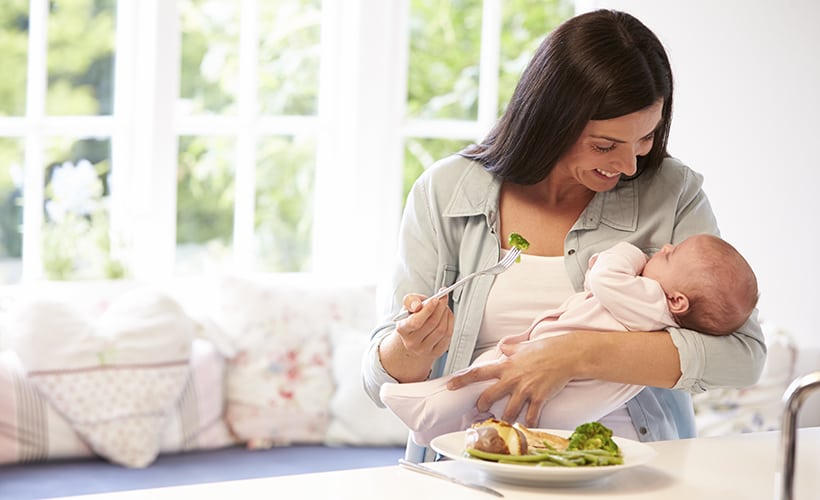
Returning to work while continuing to breastfeed can be both rewarding and challenging. With the right support, planning, and workplace accommodations, many mothers are able to successfully balance their breastfeeding goals with the demands of work. In this article, we explore practical tips for breastfeeding mothers returning to work and the important role employers can play in supporting their journey.
The benefits of breastfeeding for both mothers and their babies is well known. It gives a baby the best start in life and breastmilk is the perfect food for the baby, giving it all the necessary nutritional requirements for the first six months of life. Breastfeeding not only helps a baby feel safe and secure, but improves their immunity, helping to protect against colds, allergies, infections and SIDS. Breastfeeding is associated with decreased infant mortality rates and hospitalisations, and a decreased risk of chronic disease. Mothers who breastfeed benefit from the feeling of closeness with their baby, and the chance to rest while feeding. Breastfeeding saves time and is free. It can decrease the risk of some cancers, and bone disease and can help the mother return to her pre-pregnancy weight.
For employers who create a breastfeeding friendly workplace there are also benefits. It is more likely that an employee will return to work from maternity leave if their workplace provides them with appropriate facilities and breaks to breastfeed or express milk. The employer retains a capable, experienced staff member who exhibits greater productivity, loyalty and is happier in their role. Lower rates of sick leave occur as the woman and baby’s health are better. The employer saves on recruiting costs and enhances the company reputation as a great employer.
If you are breastfeeding and thinking of returning to work, talk to your employer as soon as possible (an ideal time would be when planning your maternity leave). Flexible work options that could be discussed could be working part-time, flexible hours, job-sharing or working from home. If those options aren’t possible, other options could be having your baby with you at work, having someone bring your baby in to work for feeds, having your baby looked after near your work so that you can go feed them, feeding your baby before and after work and on the days you are not working, or expressing and storing breast milk so that someone else can feed your baby. Try to give your employer an estimated time frame such as requiring no more than twenty minutes three times a day for a few months, and let them know that this requirement will likely decrease as your baby gets older.
If you are an employer, the legislation requires that you give breastfeeding breaks and provide appropriate facilities for women who want to breastfeed or express milk for their babies at work or during the work day. The request must be reasonable and realistic taking into consideration the employer’s operational environment and resources. The employee breastfeeding breaks are unpaid but in addition to rest and meal breaks. The facilities do not have to be a permanent area, but can be a screened off area if no separate room is available. Your employee will need somewhere private to sit, that is clean, quiet and warm. She will need a low, comfortable chair with armrests and if she is expressing, a powerpoint and separate fridge for milk storage. A hand basin with hot water for washing hands and cleaning breast pumps, and a clean place for storing equipment may also be required. Toilets and sick bays are not suitable for breastfeeding/expressing.
Combining breastfeeding and working can seem like a big challenge but by having early conversations with your employer, and support from home and your workplace, it is possible to combine the two.
This blog provides general information and discussion about medicine, health and related subjects. The information contained in the blog and in any linked materials, are not intended nor implied to be a substitute for professional medical advice.
Research shows that it can take as many as 10 to 15 tastes before a child learns to appreciate a new flavour or food. It would be a dream to win your ..
Between all the sweets your kids are sure to bring home after trick-or-treating and all the bags of lollies you likely bought for anyone coming to you..
[vc_row][vc_column][vc_column_text css=""] Folliculitis is a common skin condition that happens when hair follicles become inflamed and often caused ..

Access to New Zealand's largest resource of health and wellness information, with regular updates sent to your inbox. PLUS, be in to win great giveaways and access members-only discounts.
This will close in 35 seconds
Community