






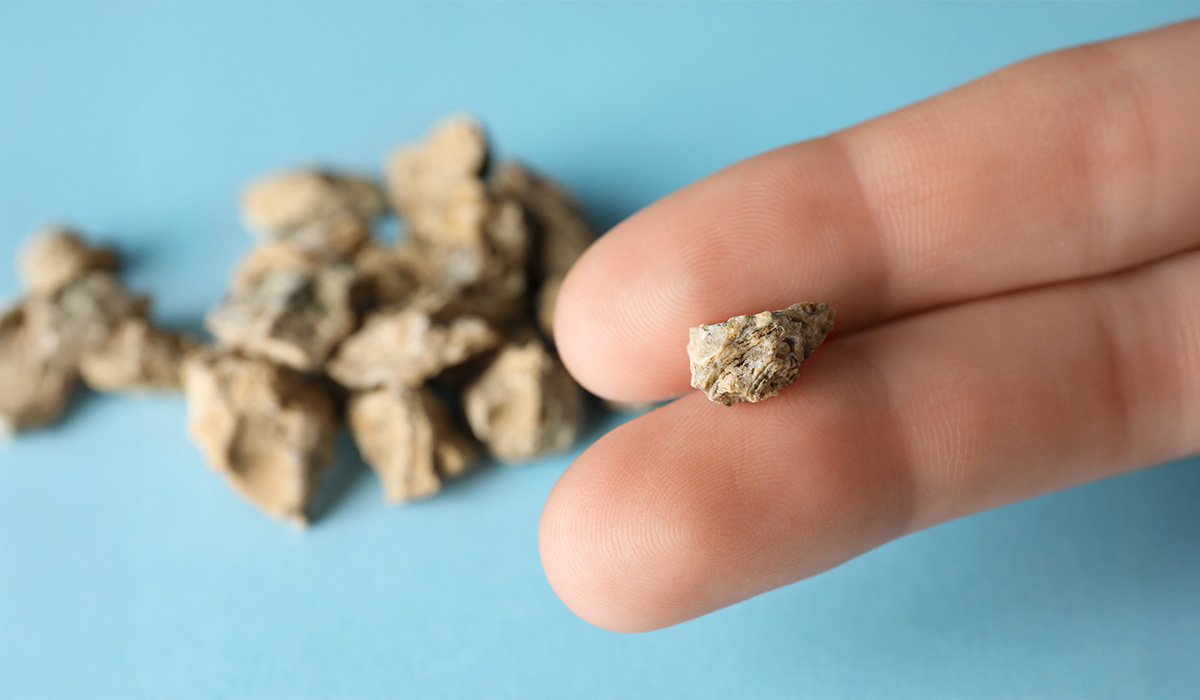

Recognised to be one of the most painful physical experiences, with sufferers making comparisons to childbirth or being stabbed, kidney stones affect around 1 in 10 New Zealanders in their lifetime. The condition leads to over 4,000 hospital visits annually.1 Some people may not even know they have a kidney stone, as the stones can be very small and pass through the urinary tract without causing any symptoms. For the unlucky people who end up with a large kidney stone, the pain can be so severe as to cause nausea and vomiting, and they may need medical intervention to help break up the stone so that it can pass.
What are kidney stones?
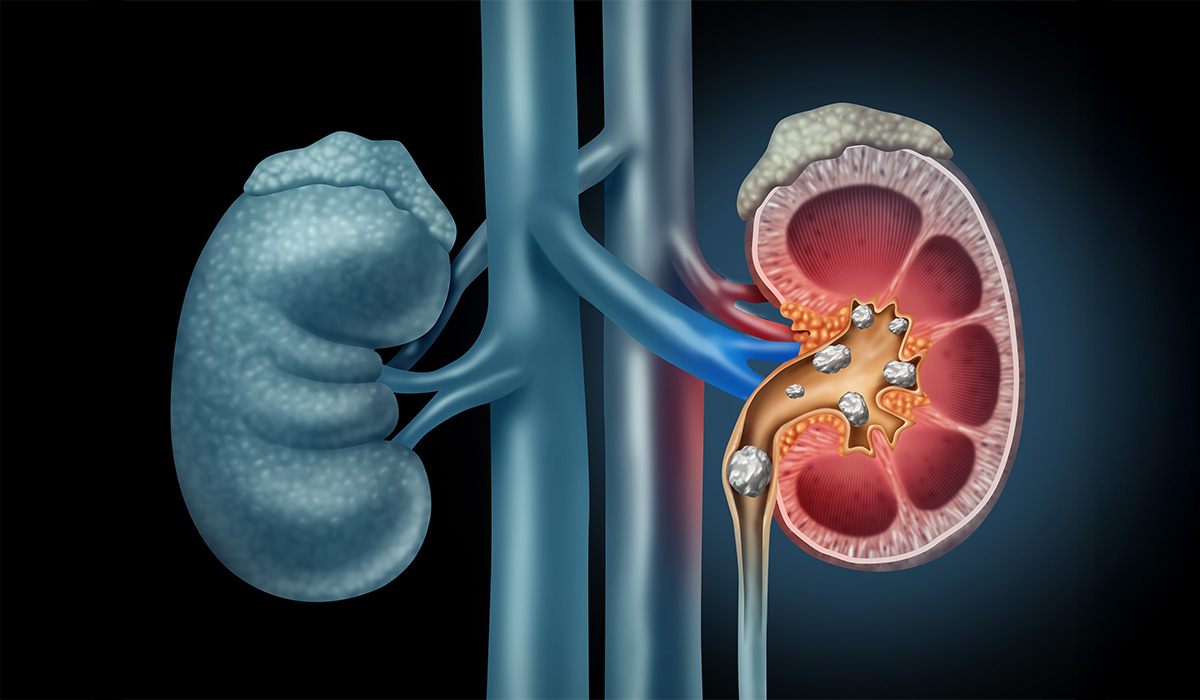
Kidney stones are clusters of crystals that form from minerals and other substances in the urinary tract such as salts like calcium and sodium, oxalates and uric acid.
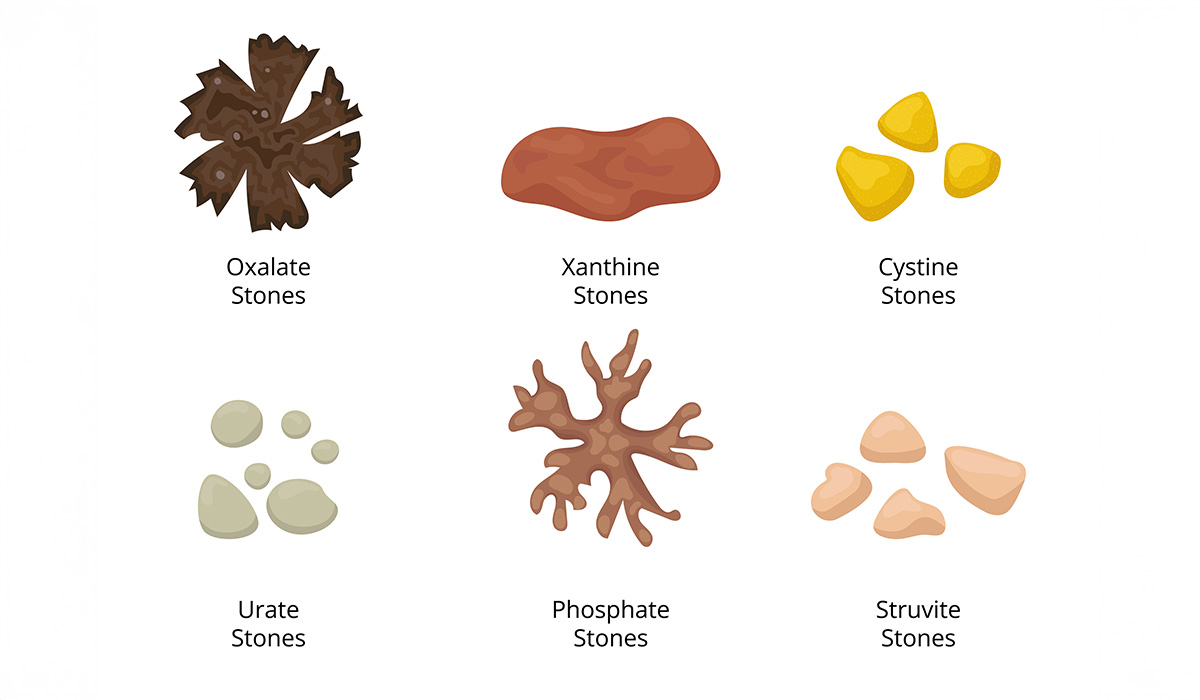
There are various types of kidney stones, the most common being calcium-oxalate and calcium-phosphate stones. Calcium containing kidney stones occur when you eat high-oxalate or low-calcium foods and don’t drink enough fluids. Other types of stones that form are uric acid stones formed from eating high amounts of animal protein, struvite stones and cystine stones.







Community